After a sunburn, your skin starts regenerating damaged cells to heal itself. Your body produces new skin cells from the basal layer, while increased blood flow supplies nutrients essential for recovery. During this process, your skin may look red, flaky, or tender, but it gradually sheds damaged layers and replaces them with healthy ones. Protecting your skin with UV blockers and proper care speeds up healing, and you’ll discover more tips to support your skin’s renewal process.
Key Takeaways
- Skin regenerates damaged cells from the basal layer, promoting healing after sunburn.
- Increased blood flow delivers nutrients and oxygen to support cell renewal.
- Hydration and moisturizers with aloe vera or hyaluronic acid reduce inflammation and aid recovery.
- Protecting skin from further UV exposure accelerates healing and prevents additional damage.
- The renewal process varies, but proper care minimizes scarring and speeds up regeneration.

When you get a sunburn, your skin begins a critical process of healing by regenerating damaged cells. This natural response is necessary for repairing the injury caused by overexposure to ultraviolet (UV) rays. The primary goal during this phase is to restore your skin’s integrity, which involves a complex cycle of cell death and renewal. To support this process, it’s essential to understand the importance of UV protection, as it prevents further damage while your skin heals. Wearing broad-spectrum sunscreen, protective clothing, and seeking shade helps minimize additional UV exposure, giving your skin the best environment for recovery.
As your skin works through this regeneration, new skin cells are produced at the basal layer, the deepest part of your epidermis. These cells gradually migrate upward, replacing those that were damaged or destroyed by the sunburn. During this process, your body increases blood flow to the affected area, bringing nutrients and oxygen to facilitate healing. Hydration plays a key role here; drinking plenty of water helps your skin cells function effectively and speeds up recovery. Moisturizers containing soothing ingredients like aloe vera or hyaluronic acid can also aid skin healing by reducing inflammation and keeping your skin hydrated.
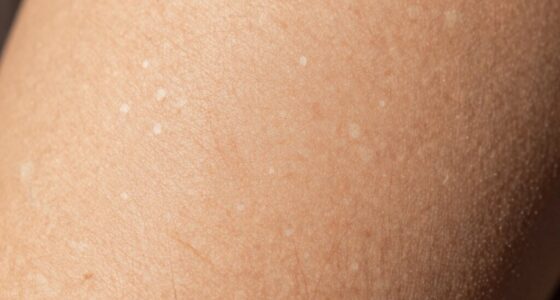
It’s important to avoid peeling or scrubbing the skin, as doing so can interrupt the regeneration process and cause scarring or infection. Instead, focus on gentle care—patting the skin dry and applying healing ointments as recommended. Your body naturally sheds the damaged outer layer, making way for fresh, healthy cells to surface. This renewal process can take several days to weeks, depending on the severity of your sunburn. During this time, your skin may appear red, flaky, or tender, but these are signs that healing is underway. Protecting your skin from further UV exposure during this period accelerates recovery and prevents new damage.
Additionally, studies show that cell regeneration is most efficient when your body maintains a healthy balance of nutrients and hydration, emphasizing the importance of a nutritious diet alongside skin care. In the long run, practicing effective UV protection habits is the best way to support ongoing skin health. Not only does it help prevent future sunburns, but it also promotes better skin healing when damage occurs. Remember, your skin is a remarkable organ capable of regeneration, but it needs your help to recover efficiently. By shielding your skin from UV rays, keeping it well-hydrated, and avoiding unnecessary irritation, you give yourself the best chance for quick and complete healing after a sunburn.

Amazon Basics Sunburn Relief Gel with Aloe Vera, Soothing, Cooling, Itch Relief, 8 oz, Pack of 1 (Previously Solimo)
Includes one 8-fluid ounce bottle of sunburn relief gel with aloe vera
As an affiliate, we earn on qualifying purchases.
As an affiliate, we earn on qualifying purchases.
Frequently Asked Questions
Can Certain Foods Speed up Skin Cell Healing After Sunburn?
Eating foods rich in antioxidants, like berries and leafy greens, can help speed up your skin cell healing after sunburn. These foods combat inflammation and support repair. Staying well-hydrated by drinking plenty of water also boosts your hydration levels, which is vital for skin regeneration. Incorporate these foods into your diet to support your body’s natural healing process and reduce discomfort more quickly.
Are There Specific Supplements That Aid in Skin Regeneration Post-Sunburn?
Yes, certain supplements can help with skin regeneration after sunburn. Vitamin C is vital because it boosts collagen production, aiding your skin’s healing process. Collagen boosters, whether through supplements or foods, support skin repair and elasticity. Taking these together can accelerate recovery, reduce redness, and improve skin’s overall health. Always consult with a healthcare professional before adding new supplements to guarantee they’re appropriate for your skin’s needs.
How Does Age Affect Skin Cell Recovery From Sun Damage?
As you age, your skin’s ability for cellular repair slows down, making recovery from sun damage more challenging. Skin aging reduces collagen production and hampers the natural regeneration process, leading to prolonged healing times and increased skin damage. To support recovery, you should protect your skin from further sun exposure, stay hydrated, and consider skincare that boosts cellular repair. Aging may slow recovery, but proper care helps maintain healthier skin longer.
Can Topical Antioxidants Improve the Healing Process of Sunburned Skin?
Like Icarus soaring too close to the sun, your skin needs protection and repair. Topical antioxidants, in formulations designed to boost your skin barrier, can help improve healing after sunburn. They neutralize free radicals, reduce inflammation, and support cell regeneration. Applying antioxidant-rich products regularly can accelerate recovery, soothe discomfort, and protect against further damage, turning your skin’s setback into a step toward stronger, healthier skin.
Are There Long-Term Effects on Skin Cell Health After Repeated Sunburns?
Repeated sunburns can cause long-term skin damage, including collagen degradation and increased aging signs. You might notice more wrinkles, sagging, and uneven skin tone over time. Sun damage weakens your skin’s elasticity and hampers healthy cell function. To protect your skin’s health, always use sun protection, avoid excessive exposure, and seek treatment for existing burns to minimize lasting harm.

The Ordinary Natural Moisturizing Factors + Hyaluronic Acid, Lightweight Hydrator for Skin Barrier Support & Hydration, 3.4 Fl Oz
NON-GREASY MOISTURIZER: This lightweight formula keeps the outer layer of your skin protected and hydrated without feeling greasy.
As an affiliate, we earn on qualifying purchases.
As an affiliate, we earn on qualifying purchases.
Conclusion
Understanding how your skin regenerates after sunburn is key to faster healing. Did you know that your skin can renew itself completely every 28 to 30 days? By protecting your skin, staying hydrated, and giving it time to recover, you help support this natural process. So next time you get sunburned, remember that your body’s incredible cell renewal system is working hard to restore your skin—just give it a little patience and care.

Neutrogena Ultra Sheer Dry-Touch Sunscreen Lotion SPF 70, Broad Spectrum, Water Resistant 80 Min, Oil-Free, Oxybenzone-Free, Non-Comedogenic, Matte Finish, Body Sunscreen, Travel Size 3 Fl Oz
SPF 70 broad spectrum sunscreen lotion delivers high UVA/UVB protection for daily use; water resistant for up to…
As an affiliate, we earn on qualifying purchases.
As an affiliate, we earn on qualifying purchases.

Silver Miracles – Colloidal Silver Gel – Nano Silver Gel Wound Care – Healing Ointment for Burns & Irritated Skin – for All Skin Types – 4 Oz Unscented
Soothe And Cools Burns, and Sunburns – Our colloidal silver gel gently soothes and cools burns, sunburns, and…
As an affiliate, we earn on qualifying purchases.
As an affiliate, we earn on qualifying purchases.