

During National Healthy Skin Month, focus on protecting your skin from harmful UV rays with daily broad-spectrum sunscreen, protective clothing, and hats. Stay well-hydrated by drinking plenty of water and eating hydrating foods like watermelon and oranges. Follow a gentle skincare routine with appropriate cleansers and moisturizers, and exfoliate once or twice a week to boost glow. Consistent habits like these can transform your skin—keep exploring to learn even more tips for lasting health.
Key Takeaways
- Protect your skin daily with broad-spectrum SPF 30+ sunscreen, reapplying every two hours during outdoor activities.
- Stay well-hydrated by drinking at least eight glasses of water and consuming hydrating foods like watermelon and oranges.
- Follow a gentle skincare routine with suitable cleansers and moisturizers, and exfoliate once or twice weekly.
- Incorporate consistent sun protection and hydration habits to support long-term skin health and prevent premature aging.
- Be mindful not to over-exfoliate and use personalized skincare insights to maintain a healthy, radiant complexion.

Achieving healthy skin starts with consistent care and smart choices. When you prioritize your skin’s health, two vital elements you shouldn’t overlook are sun protection and hydration habits. Protecting your skin from harmful UV rays is essential to prevent premature aging, dark spots, and even skin cancer. Make it a daily routine to apply a broad-spectrum sunscreen with at least SPF 30, even on cloudy days. Reapply every two hours if you’re outdoors for extended periods, and don’t forget to cover all exposed areas, including your ears, neck, and hands. Wearing protective clothing, sunglasses, and wide-brimmed hats adds extra layers of defense. Sun protection isn’t just about avoiding sunburn; it’s about safeguarding your skin’s long-term health.
Prioritize daily sun protection to safeguard your skin’s health and prevent premature aging and damage.
Alongside sun protection, maintaining proper hydration habits plays a significant role in keeping your skin vibrant and resilient. Drinking enough water throughout the day helps your skin stay moisturized from within, reducing dryness and flakiness. Aim for at least eight glasses daily, but remember that individual needs vary based on activity level, climate, and personal health. Incorporate hydrating foods into your diet too—fruits like watermelon, oranges, and berries pack plenty of water, antioxidants, and vitamins that boost your skin’s appearance. When your skin is well-hydrated, it looks plumper, more radiant, and less prone to fine lines. AI-driven insights can also help tailor hydration and skincare routines based on your individual needs and environmental factors.
Besides these foundational practices, adopting a gentle skincare routine enhances your efforts. Use a mild cleanser suited for your skin type to remove dirt and excess oils without stripping away moisture. Follow up with a nourishing moisturizer that locks in hydration—look for ingredients like hyaluronic acid or glycerin. Regularly exfoliating once or twice a week can also help remove dead skin cells, revealing a fresher, brighter complexion. But be careful not to overdo it; over-exfoliation can cause irritation and compromise your skin’s barrier.
Incorporating these habits into your daily routine can make a notable difference in your skin’s health. Remember, consistency is key—skipping steps or neglecting sun protection and hydration can undo your progress over time. Embrace these simple, effective practices during National Healthy Skin Month and beyond, and you’ll be taking proactive steps toward maintaining skin that looks and feels its best for years to come. Your skin deserves that level of care, and with a few mindful adjustments, you’ll see the benefits in your appearance and confidence.

Hawaiian Tropic Sheer Touch Lotion Sunscreen, Moisturizing Broad-Spectrum Protection, SPF 30, Sun, Mango, 8 Oz
HAWAIIAN TROPIC SUNSCREEN LOTION SPF 30 with an Ultra Radiance SPF that leaves skin luminous
As an affiliate, we earn on qualifying purchases.
As an affiliate, we earn on qualifying purchases.
Frequently Asked Questions
How Does Diet Influence Skin Health?
Your diet greatly influences your skin health. Consuming foods rich in dietary antioxidants, like berries and nuts, helps protect your skin from damage caused by free radicals. Staying hydrated through good hydration habits keeps your skin plump and glowing, reducing dryness and irritation. By eating a balanced diet with these elements, you support your skin’s natural repair processes and maintain a healthier, more radiant complexion.
Are Natural Remedies Effective for Skin Issues?
Natural remedies like herbal remedies and homemade masks can be helpful for certain skin issues, but their effectiveness varies. You might see improvements with soothing ingredients like honey or aloe vera, but they aren’t guaranteed to work for everyone. Always do a patch test first, and consult a dermatologist for persistent problems. While natural options are appealing, combining them with proper skincare guarantees better results.
What Are the Best Sunscreens for Sensitive Skin?
When choosing sunscreens for sensitive skin, you want to look for mineral sunscreens with zinc oxide or titanium dioxide. These ingredients are gentle and provide broad-spectrum protection without irritating your skin. Avoid chemical sunscreens with fragrances or dyes, as they can cause reactions. Always do a patch test first, and opt for formulas labeled specifically for sensitive skin to keep your skin safe and healthy.
How Often Should I Exfoliate My Skin?
You should exfoliate your skin about 1 to 3 times a week, depending on your skin type and sensitivity. This exfoliation frequency helps stimulate skin renewal without causing irritation or over-drying. If you have sensitive or dry skin, stick to once weekly, while oily or acne-prone skin may benefit from more frequent exfoliation. Always listen to your skin and adjust accordingly to maintain a healthy, glowing complexion.
Can Skincare Products Cause Skin Allergies?
Imagine applying a new skincare product, only to feel a sudden itch or redness. Can your skincare cause allergies? Absolutely. Ingredients sensitivity varies, and even familiar products can trigger reactions. Always check ingredient labeling carefully; some ingredients may cause allergies for sensitive skin. Patch test new products, and if you notice irritation, discontinue use immediately. Protect your skin by choosing products suited to your unique sensitivities.

Vanicream Gentle Facial Cleanser with Pump Dispenser – 8 fl oz – Formulated Without Common Irritants for Those with Sensitive Skin
Our mildest cleanser specifically formulated for daily facial use.
As an affiliate, we earn on qualifying purchases.
As an affiliate, we earn on qualifying purchases.
Conclusion
Remember, your skin is the mirror of your inner health—shining brightest when nurtured with care. Treat it like a delicate garden, tending daily with love and patience to foster resilience and radiance. Each healthy choice is a seed planted for a luminous tomorrow, while neglecting it risks letting weeds of damage take hold. Embrace these simple steps, and watch your skin blossom, revealing your true inner glow as a symbol of your self-love and vigor.
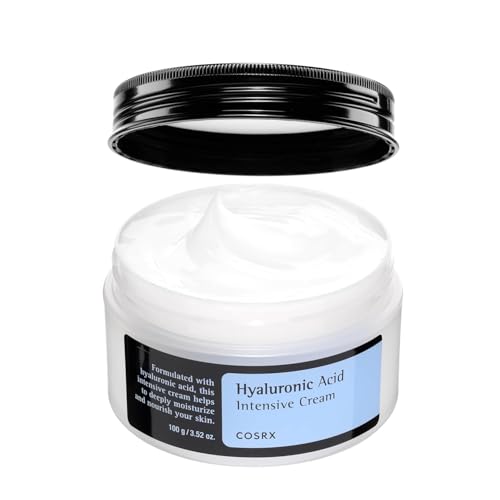
COSRX Hyaluronic Acid Moisturizing Cream, Long-lasting Hydration, Rich Moisturizer for Sensitive Skin 3.52 oz / 100g, Korean Skin Care, Animal Testing Free, Parabens Free
Recharge and Lock in Moisture: COSRX Hyaluronic Acid Intensive Cream is designed to deliver moisture deep into your…
As an affiliate, we earn on qualifying purchases.
As an affiliate, we earn on qualifying purchases.

Aveeno Positively Radiant Skin Brightening Exfoliating Daily Facial Scrub, Gentle with Moisture-Rich Soy Extract, Helps Improve Skin Tone & Texture, Oil- & Soap-Free, Hypoallergenic, 5 oz
Exfoliating face scrub: Gently buffs away dead skin, surface impurities & excess oil. With naturally derived granules, non-comedogenic,…
As an affiliate, we earn on qualifying purchases.
As an affiliate, we earn on qualifying purchases.