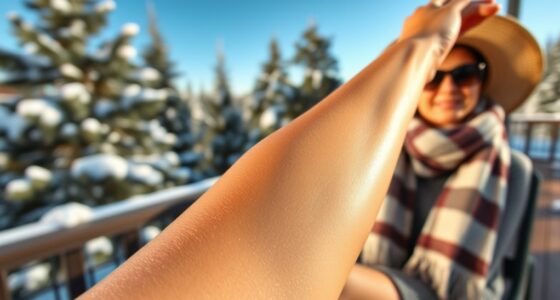

Even during winter sports, you still face serious UV risks, especially at higher elevations where the thinner atmosphere offers less protection. Snow reflects UV rays, doubling your exposure on exposed skin and eyes. Cold weather can hide the sun’s harmful effects, but UV rays penetrate clouds and snow, causing skin damage and eye injuries. Wearing proper sunscreen, goggles, and protective clothing is essential for your safety. Keep going to learn how to stay protected effectively in winter conditions.
Open a free Amazon Business account
Business pricing, bulk buying and tax-exempt orders.
As an affiliate, we earn on qualifying purchases.
Key Takeaways
- UV exposure increases with altitude, heightening skin damage risk during winter sports at high elevations.
- Snow reflection amplifies UV rays, leading to higher exposure on face and neck even with protective gear.
- UV rays penetrate clouds and snow, causing skin and eye damage regardless of cold temperatures.
- Proper UV protection, including sunscreen and goggles, is essential to prevent long-term health risks.
- Cold weather can mask UV dangers, making consistent protection crucial despite winter conditions.
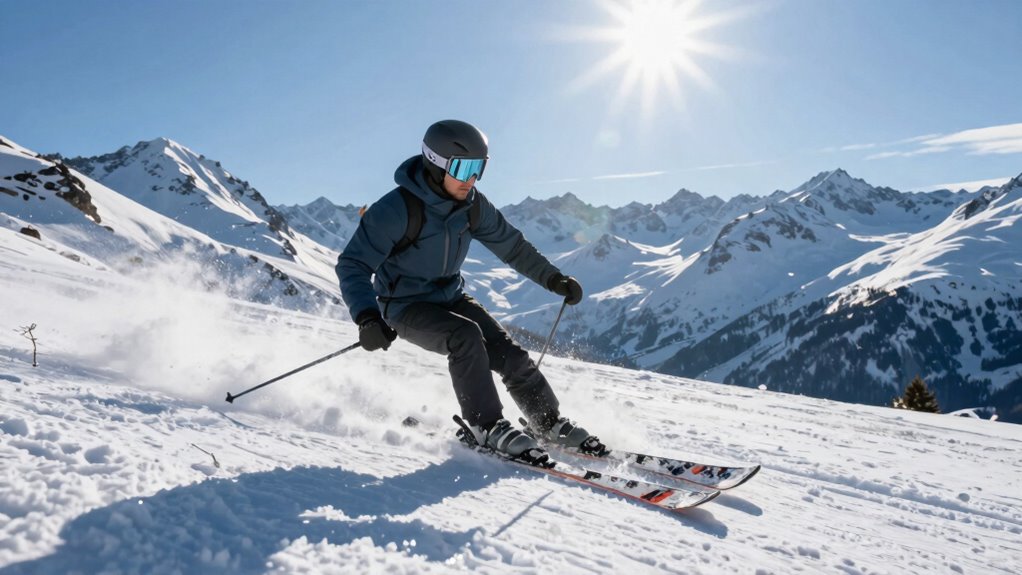
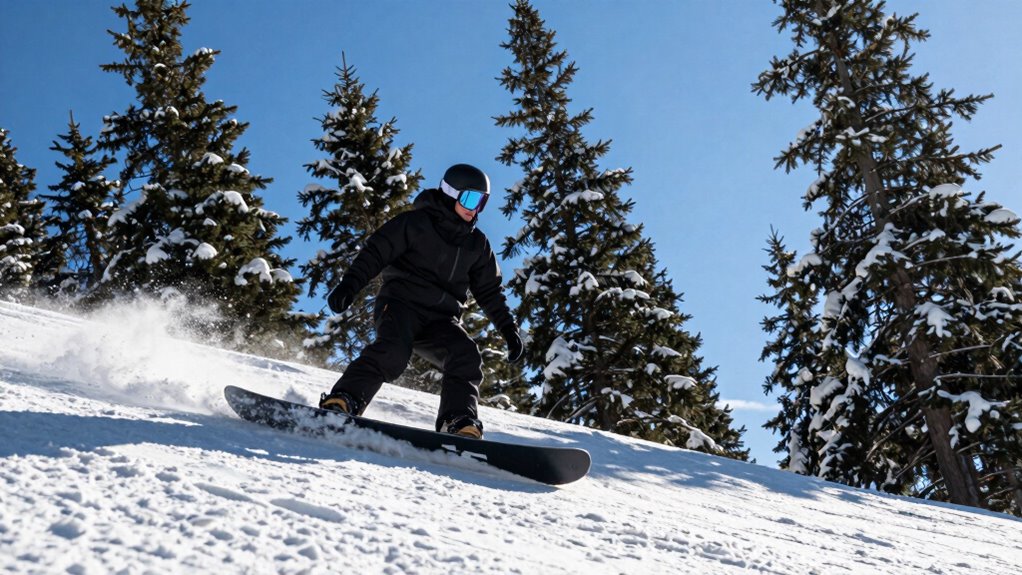
Have you ever wondered why UV protection is just as important during winter sports as it is in the summer? The answer lies in a few key factors that heighten your exposure to harmful rays, even when it’s cold outside. One major element is altitude effects. As you ascend to higher elevations—whether you’re snowboarding down a mountain or skiing through alpine terrain—the thinner atmosphere provides less filtration for UV rays. This means the sun’s ultraviolet radiation becomes more intense, increasing your risk of sunburn and long-term skin damage. You might not feel the heat as acutely, but those UV rays are still sneaking through and impacting your skin.
Another essential factor is reflective snow. Snow isn’t just a passive, white backdrop; it acts like a giant mirror, bouncing UV rays back up towards your face and body. This reflection can considerably amplify your UV exposure, especially when you’re spending hours on the slopes. You may notice that your face and neck get sunburned despite wearing a hat or goggles, and that’s because the snow’s reflective properties are intensifying the UV exposure from below and above. This dual assault—direct rays from the sun and reflected rays from the snow—makes UV protection vital even during overcast days or when temperatures are low. It’s also worth noting that altitude effects can further elevate your UV exposure, making winter sports particularly risky if you’re not protected.
While you might associate winter with cold and wind, it’s easy to underestimate the sun’s power in these conditions. Without proper protection, your skin can suffer from sunburns, premature aging, and increased risk of skin cancers over time. The cold temperatures often give a false sense of security, leading you to neglect sunscreen or protective clothing. But UV rays can penetrate clouds and reflect off the snow, so you’re still vulnerable even when it’s cloudy or snowy. Additionally, reflection of UV rays from snow is an important concept to understand how your exposure is increased in these environments. Recognizing the heightened UV intensity at high altitudes can help you better appreciate the importance of comprehensive sun protection.
It’s important to choose the right UV protection gear suited for winter sports. Look for broad-spectrum sunscreens with high SPF, and apply generously to all exposed skin—think ears, noses, and lips—areas often overlooked. Wearing UV-protective goggles and sunglasses isn’t just about comfort; it’s vital for shielding your eyes from UV damage that can cause long-term issues like cataracts. Wearing clothing with UV protection and a broad-brimmed hat can also help reduce your exposure. Using proper sun protection can significantly decrease your risk of sun-related harm during winter activities.
In short, your winter sports adventures require just as much UV protection as summer activities. The effects of altitude and the reflective snow considerably increase your vulnerability to UV rays. Don’t let the cold fool you into thinking you’re safe from sun damage—protecting yourself now ensures you’ll enjoy winter sports safely for years to come.

Coppertone SPORT Sunscreen Lotion SPF 50, Value Pack, 2 x 7 FL OZ
- Water Resistant: Stays effective for 80 minutes
- Free Of Harmful Chemicals: No dyes, PABA, Octinoxate, Oxybenzone
- Value Pack: Includes two 7 FL OZ bottles
As an affiliate, we earn on qualifying purchases.
As an affiliate, we earn on qualifying purchases.
Frequently Asked Questions
Can UV Protection Prevent All Sun Damage During Winter Sports?
UV protection can’t prevent all sun damage during winter sports because altitude effects increase UV intensity, and reflective surfaces like snow bounce harmful rays back at you. You need broad-spectrum sunscreen, UV-protective goggles, and appropriate clothing to shield your skin and eyes effectively. Even on cloudy days, UV rays penetrate, so consistent protection is essential. Don’t rely solely on clothing—active measures are your best defense against winter sun damage.
Are Standard Sunscreens Effective in Cold Weather Conditions?
Standard sunscreens can be effective in cold weather, but they need to be broad-spectrum and water-resistant to combat snow glare and reflect UV rays. You should apply enough sunscreen generously on all exposed skin, especially your face and neck. Remember, cold temperatures can dry out your skin, so choose a moisturizer with SPF and keep your skin hydrated. Reapply regularly, especially after sweating or wiping away snow.
How Often Should I Reapply UV Protection While Skiing or Snowboarding?
You should reapply UV protection every two hours while skiing or snowboarding. Don’t forget your ski goggles—they might be stylish, but they won’t block UV rays all day. Keep lip balm handy to prevent chapped lips from the sun’s reflection off the snow. Remember, even if you’re bundled up, UV rays sneak through, so reapply, reapply, reapply—your skin will thank you.
Do UV Rays Penetrate Snow and Ice Equally?
UV rays penetrate snow more than ice because snow reflects and amplifies sunlight, increasing exposure, while ice glare can intensify UV exposure on reflective surfaces. You should be aware that both snow reflection and ice glare heighten your risk of UV damage, so it’s essential to apply broad-spectrum sunscreen generously and frequently. Wearing UV-protective goggles and clothing will also help shield your skin and eyes from harmful rays during winter sports.
Is There a Difference Between UV Protection for Winter and Summer?
Think of UV protection as your winter shield—yes, it’s different from summer armor. Sun intensity is sharper at higher altitudes and reflective snow amplifies UV rays, so your clothing insulation needs special attention. You require broader-spectrum sunscreens and UV-blocking gear in winter because the rays penetrate snow and ice, bouncing back up. So, don’t let the season fool you; your skin still needs serious protection, no matter the temperature.
Conclusion
So, as you gear up for your next winter adventure, remember that UV protection isn’t just a summer concern. The snow’s reflective power can surprise even the most seasoned skier or snowboarder. Will you risk it, or will you choose to stay protected? The choice is yours, but one thing’s certain: overlooking this simple step could have consequences you won’t see coming. Stay safe, stay vigilant, and enjoy winter’s thrill—because protection might just be the secret to lasting memories.
Flea & tick season Picks
flea and tick prevention
As an affiliate, we earn on qualifying purchases.