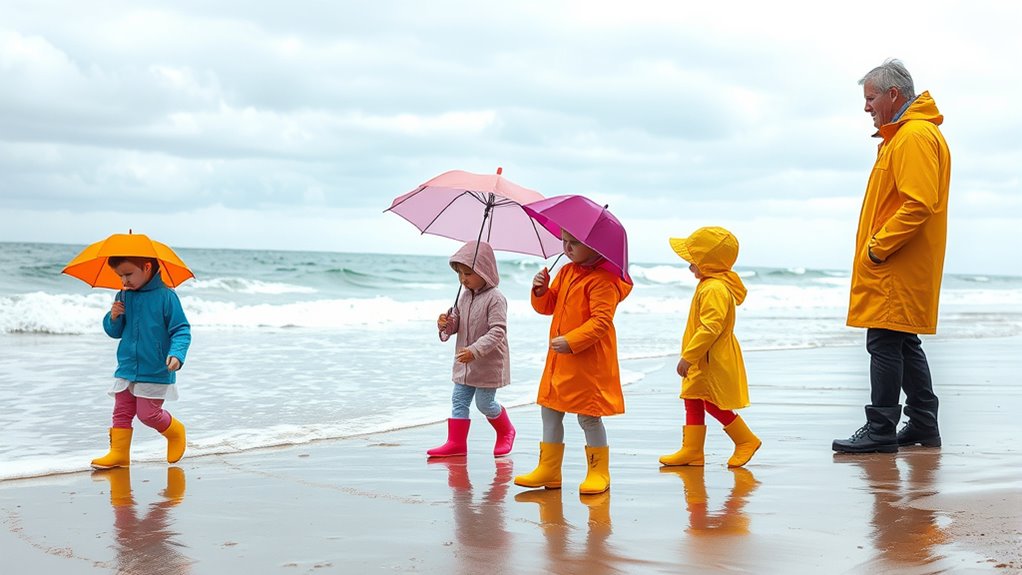

Even on cloudy beach days, UV rays can penetrate clouds and harm your kids’ skin, so sun protection is essential. Use broad-spectrum sunscreen with at least SPF 30 and reapply it every two hours, especially after swimming or sweating. Encourage shaded breaks, cover kids with lightweight, long-sleeved clothing and wide-brimmed hats, and seek natural shade during peak UV hours. Keep your children safe by combining these strategies—there’s more to learn on keeping them protected!
Listen free for 30 days with Audible
Thousands of audiobooks and originals — cancel anytime.
As an affiliate, we earn on qualifying purchases.
Key Takeaways
- Apply broad-spectrum sunscreen with SPF 30+ generously on all exposed skin and reapply every two hours.
- Seek shade during peak UV hours (10 a.m. to 4 p.m.) using umbrellas, tents, or natural shade.
- Encourage children to wear wide-brimmed hats, UV-protective sunglasses, and lightweight long-sleeved clothing.
- Be aware that up to 80% of UV rays penetrate clouds; UV protection is necessary even on overcast days.
- Plan beach visits during early mornings or late afternoons when UV levels are lower for added safety.

Cloudy beach days might seem like less risky times to visit, but UV rays can still harm your kids’ skin. Even when the sky is overcast, up to 80% of UV rays penetrate the clouds, making sun protection essential. To keep your children safe, focus on proper sunscreen application and strategic shade strategies. Applying sunscreen correctly is the first step. Use a broad-spectrum sunscreen with at least SPF 30 and apply it generously to all exposed skin. Don’t forget often-missed spots like ears, the back of the neck, and the tops of feet. Reapply every two hours, or immediately after swimming or sweating, even if the weather seems cool or cloudy. This consistent application helps maintain protection throughout your outing.
Shade strategies are equally important and can substantially reduce UV exposure. While umbrellas, pop-up tents, and shaded cabanas are common options, you should also plan to seek natural shade during the strongest sun hours, typically between 10 a.m. and 4 p.m. Encourage your kids to take breaks in shaded areas frequently. When natural shade isn’t available, create your own using umbrellas or tents, ensuring they are sturdy and positioned correctly to block direct sunlight. Remember that shade doesn’t eliminate UV rays entirely—it’s a helpful supplement, not a substitute for sunscreen. Combining physical barriers with proper sunscreen application provides the most complete protection.
It’s also wise to plan your beach visit during times when UV radiation is lower, like early mornings or late afternoons. Keep an eye on the UV index forecast for your area to better time your outing. Wearing protective clothing can further shield your children’s skin. Lightweight, long-sleeved shirts, wide-brimmed hats, and UV-protective swimwear add an extra layer of defense. Sunglasses with UV protection protect your kids’ eyes from harmful rays, too.
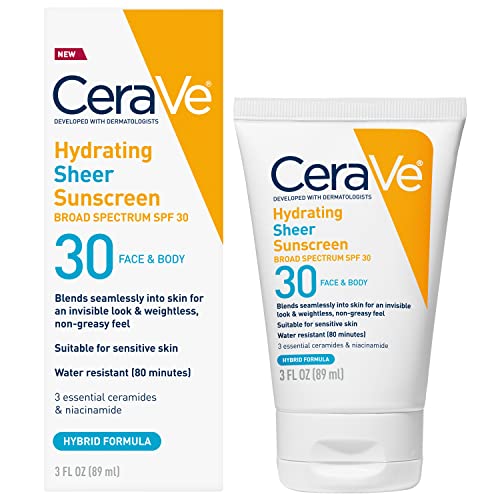
CeraVe Hydrating Sheer Sunscreen SPF 30 with Hyaluronic Acid, 3oz
- SPF 30 Protection: Protects against UVA and UVB rays
- Water Resistant: Lasts up to 80 minutes
- Zinc Oxide Formula: Mineral and chemical sunscreen blend
As an affiliate, we earn on qualifying purchases.
As an affiliate, we earn on qualifying purchases.
Frequently Asked Questions
How Can I Tell if UV Rays Are Still Strong on a Cloudy Day?
You can tell if UV rays are still strong on a cloudy day by checking the UV index forecast, which often accounts for cloud cover. When the UV index is 3 or higher, UV rays can still cause skin damage, even with clouds. Keep in mind, thick clouds might reduce UV exposure, but some rays still penetrate. Always use sunscreen and protective clothing, regardless of cloud cover, for safe fun at the beach.
Are Sunglasses Necessary for Kids on Overcast Beach Days?
Yes, sunglasses are necessary for kids on overcast beach days. While hats provide some UV protection, sunglasses block harmful rays from reaching their eyes. Many people believe UV protection myths, thinking cloudy weather shields them, but UV rays still penetrate clouds. So, using sunglasses offers essential protection, reducing the risk of eye damage. Combine sunglasses with hats for maximum UV defense, ensuring your kids stay safe and comfortable.
What Are Safe Clothing Options for Children in Cooler, Cloudy Weather?
Imagine a family at the beach on a chilly, overcast day. You should dress your child in layered clothing made of breathable fabrics, like a moisture-wicking shirt under a light fleece. This setup keeps them warm without overheating. Add a waterproof jacket and a hat for extra protection. Layered clothing allows for easy adjustments, ensuring your kid stays comfortable and dry while enjoying the beach even when it’s cooler and cloudy.
How Often Should I Reapply Sunscreen When It’s Cloudy?
You should reapply sunscreen every two hours when it’s cloudy, regardless of SPF effectiveness. Even if the sunscreen isn’t expired, clouds reduce UV exposure, but UV rays can still harm your skin. Check the sunscreen’s expiration date, since expired bottles lose their effectiveness. Remember, SPF doesn’t block all rays, so frequent reapplication is essential to keep your child’s skin protected during cloudy beach days.
Can Clouds Completely Block Harmful UV Rays From Reaching My Child?
You might believe clouds block all UV rays, but a case study shows UV rays can penetrate 80% through cloud cover. Clouds don’t completely block harmful UV rays, so your child still needs proper UV protection strategies like broad-spectrum sunscreen, UPF clothing, and shade. Don’t fall for cloud cover myths—UV rays can reach your child’s skin even on overcast days, making consistent protection essential for effective sun safety.
Conclusion
Remember, even on cloudy beach days, UV rays can still harm your kids’ skin—up to 80% of UV rays penetrate clouds. So, make certain they wear broad-spectrum sunscreen, protective clothing, and hats. Keep them in the shade when possible, and stay mindful of the weather. By taking these simple steps, you can guarantee your kids enjoy the beach safely and create lasting, happy memories, no matter the weather.
Flea & tick season Picks
flea and tick prevention
As an affiliate, we earn on qualifying purchases.