
Pool chemicals like chlorine and bromine can cause irritation, dryness, and allergic reactions if you have sensitive skin. These chemicals may strip natural oils, leading to itchiness, redness, and discomfort, especially for those with pre-existing conditions like eczema or psoriasis. Proper pH balance and good circulation help reduce these effects by keeping water gentle and safe. To avoid skin issues, maintaining ideal water quality is key—there’s more to discover to keep your skin comfortable during every swim.
Listen free for 30 days with Audible
Thousands of audiobooks and originals — cancel anytime.
As an affiliate, we earn on qualifying purchases.
Key Takeaways
- Chemicals like chlorine and bromine can cause irritation, dryness, and allergic reactions in sensitive skin.
- Imbalanced pH levels can disrupt the skin’s natural barrier, increasing irritation from pool chemicals.
- Poor water circulation and filtration can lead to uneven chemical distribution, causing localized skin discomfort.
- Excessive chemical use for algae control may heighten skin irritation risk.
- Alternative sanitizers and proper maintenance can reduce the need for harsh chemicals, benefiting sensitive skin.
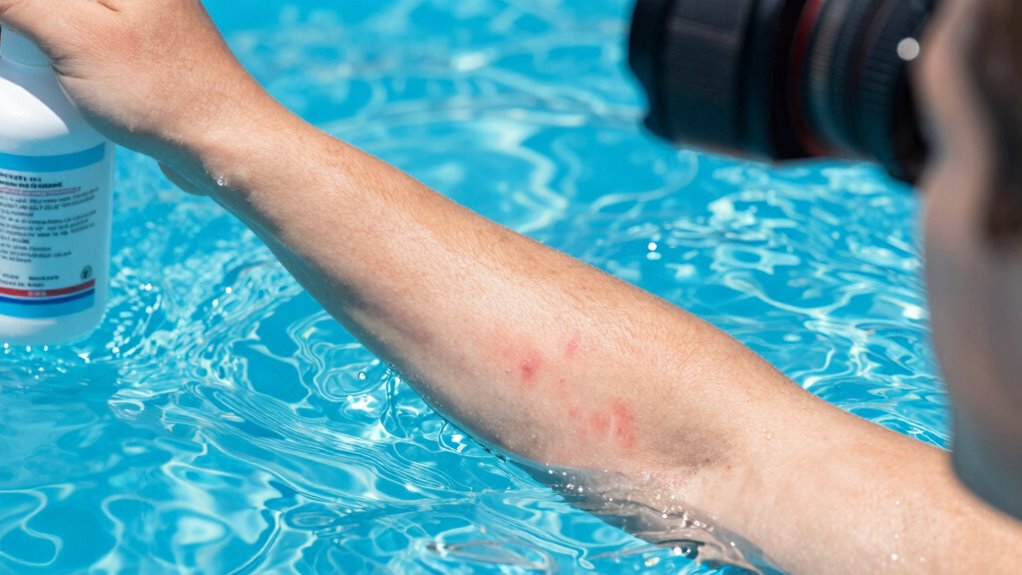
Swimming pools are a great way to cool off and enjoy the outdoors, but if you have sensitive skin, the chemicals used to keep the water clean can cause irritation or allergic reactions. Pool chemicals, like chlorine and bromine, are essential for maintaining a safe swimming environment, but they can sometimes do more harm than good for those with delicate skin. When you’re exposed to these chemicals, they can strip away natural oils, leaving your skin dry, itchy, and prone to redness. This reaction is especially common in people with pre-existing skin conditions like eczema or psoriasis, but even those without such issues can experience discomfort.
Sensitive skin can react badly to pool chemicals, causing dryness, irritation, and discomfort.
One of the key steps in minimizing the impact of pool chemicals on sensitive skin is proper pH balancing. When the pH level of your pool water is off, it can increase the skin’s vulnerability to irritation. If the water is too acidic or alkaline, it can disrupt the skin’s natural barrier, making it more prone to dryness and allergic reactions. Regularly testing and adjusting the pH level ensures that the water remains within the ideal range—around 7.2 to 7.8—helping to reduce skin irritation. Balanced pH not only benefits your skin but also enhances the effectiveness of other chemicals used in pool maintenance. Additionally, maintaining proper circulation and filtration helps prevent the buildup of chemicals on the skin. Proper water circulation can also help distribute chemicals evenly and reduce localized irritation. Ensuring proper water quality is crucial for maintaining a safe swimming environment, especially for sensitive skin. Good water testing practices can further help prevent chemical imbalances before they cause issues.
Algae prevention is another critical aspect of keeping your pool safe and gentle on sensitive skin. Algae growth often indicates imbalance in the water chemistry and can lead to the excessive use of chemicals to control it. When algae blooms occur, more chemicals are typically added, increasing the risk of skin irritation. Preventing algae growth through proper circulation, sanitation, and maintaining correct chemical levels means you’ll use fewer harsh chemicals overall. This proactive approach keeps your pool water cleaner and less irritating, especially for anyone with sensitive skin. Proper water filtration can also help remove particles and residues that may cause irritation.
Maintaining a healthy balance of chemicals in your pool isn’t just about safety—it’s about ensuring comfort for everyone who swims. By focusing on consistent pH balancing and algae prevention, you can reduce the need for high doses of harsh chemicals. If you’re concerned about skin reactions, consider alternative sanitizers like saltwater systems or mineral treatments. These options often produce gentler water conditions and can help you enjoy your pool without sacrificing your skin’s health. Ultimately, with mindful maintenance and regular testing, you can create a swimming environment that’s both safe and soothing for sensitive skin. Using pet tracking gear can also help ensure your pool area remains secure and well-maintained, contributing to a safer environment overall.
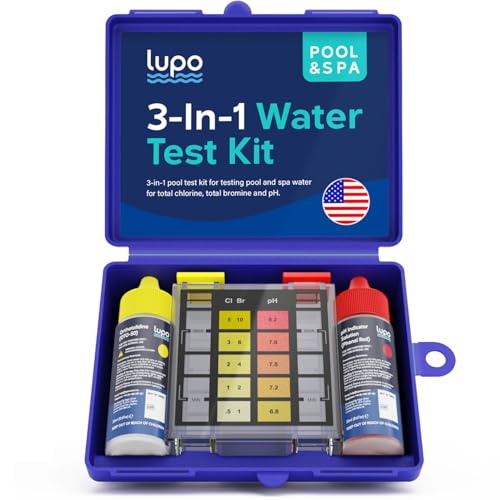
Lupo 3-in-1 Pool Test Kit | Pool Testing Kit for Residential Swimming Pools & Spas for Testing Total Chlorine, Total Bromine & pH | Pool Chemical Test for Quick & Accurate At-Home Pool Water Testing
- 3-in-1 Testing Kit: Tests chlorine, bromine, and pH
- Quick Results: Get results in seconds
- Reliable Accuracy: Expert-grade testing system
As an affiliate, we earn on qualifying purchases.
As an affiliate, we earn on qualifying purchases.
Frequently Asked Questions
Can Natural or Organic Pool Chemicals Reduce Skin Irritation?
Yes, natural alternatives can help reduce skin irritation by minimizing harsh chemical reactions often found in traditional pool chemicals. Using products like mineral-based sanitizers or saltwater systems creates a gentler environment, decreasing the chance of allergic reactions or irritation. These options promote safer chemical reactions, making your swim experience more comfortable for sensitive skin. Switching to natural pool chemicals can substantially improve your skin’s health and overall enjoyment.
Do Pool Chemicals Affect Different Skin Types Differently?
Just like some plants thrive in specific pH levels, your skin reacts differently to pool chemicals based on its type. Chemical reactions in the water, influenced by pH balance, can irritate sensitive skin more than other types. For example, people with dry or eczema-prone skin often notice irritation faster because their skin barrier is weaker. Adjusting pH levels and using gentler chemicals helps protect different skin types from harsh reactions.
Are There Specific Chemicals Safer for Sensitive Skin?
Yes, there are chemical alternatives that are safer for sensitive skin. You should look for products with higher skin compatibility, such as mineral-based disinfectants or saltwater systems, which reduce harsh chemical exposure. These alternatives typically cause fewer skin reactions and irritation. Always check labels for skin-friendly ingredients, and consider testing a small patch first to guarantee your skin tolerates the new chemicals, keeping your swimming experience comfortable.
How Often Should Sensitive Skin Individuals Test Pool Water?
You should test your pool water at least twice a week to guarantee chemical balance, especially if you have sensitive skin. Studies show that unbalanced pool water can cause skin irritation in up to 30% of swimmers. Regular testing helps detect pH and chlorine levels early, preventing irritation and maintaining safe, comfortable pool water. By staying vigilant, you protect your skin and enjoy your swim without discomfort or worry.
Can Swimming in Chlorinated Pools Worsen Existing Skin Conditions?
Swimming in chlorinated pools can worsen your existing skin conditions if the pool’s pH balance is off or if chemical residue buildup occurs. An imbalanced pH can irritate sensitive skin, while residue from chlorine and other chemicals may cause dryness or flare-ups. To protect your skin, make sure the pool is properly maintained, and consider rinsing off immediately after swimming to minimize chemical exposure and reduce irritation risks.
Conclusion
So, next time you plunge into the pool, remember—those tiny, invisible chemicals are like tiny ninjas attacking your sensitive skin! They can turn a fun swim into a battlefield of itching, redness, and irritation faster than you can say “chlorine!” But don’t worry—by taking simple precautions, you can keep your skin happy and healthy. Protect yourself, enjoy every splash, and don’t let those sneaky chemicals win the war on your delicate skin!
Back to school Picks
back to school
As an affiliate, we earn on qualifying purchases.