
TL;DR

Get beauty and skincare favorites delivered free with Prime
- Fast, free delivery on millions of items
- Prime Video, Amazon Music and more included
- Member-only deals all year
A recent hantavirus outbreak on a cruise ship has heightened awareness, but experts say the risk for hikers and backpackers remains very low. Proper precautions can further reduce danger.
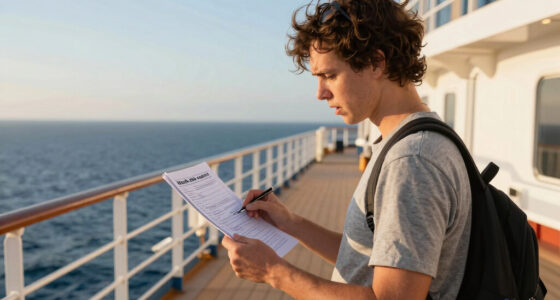
An outbreak of hantavirus on a cruise ship in the south Atlantic has resulted in seven confirmed cases and three deaths, prompting health officials to assess risks for outdoor enthusiasts. Experts say the risk for hikers and backpackers remains extremely low, but precautions are advised when camping in rodent-infested areas.
The recent outbreak involved seven confirmed hantavirus cases and three fatalities aboard the MV Hondius cruise ship, according to the World Health Organization. The Centers for Disease Control plans to quarantine American passengers in Omaha, Nebraska. Hantavirus is transmitted primarily through inhalation of particles contaminated with rodent feces, urine, or saliva, with most U.S. cases linked to deer mice.
In the United States, hantavirus cases are rare—about 30 annually—with the majority occurring west of the Mississippi River. The most notable past outbreak was in Yosemite’s Curry Village in 2012, where 10 people became ill and three died. The strain involved then was the Sin Nombre virus, which is not known to spread human-to-human. The recent cruise ship cases involved the less common Andean strain, which has shown evidence of person-to-person transmission in rare instances, mainly with prolonged close contact.
Why It Matters
This development is significant because it raises awareness about hantavirus, a potentially deadly disease, especially in the context of recent public health concerns following the COVID-19 pandemic. While the risk for hikers and backpackers is very low, understanding how to avoid exposure is important for outdoor safety. The outbreak underscores the need for vigilance when entering rodent habitats, particularly in enclosed or semi-enclosed structures.
As an affiliate, we earn on qualifying purchases.
Background
Hantavirus has been known in the U.S. since the 1993 outbreak in the Four Corners area. Historically, most cases are linked to rural or wilderness settings where rodents are prevalent. Past incidents, including Yosemite’s 2012 outbreak, have shown that contact with rodent-infested environments can lead to infection. The recent cruise ship outbreak has brought renewed attention to the virus’s transmission routes and the importance of precautions in outdoor and enclosed settings.
“The risk of hantavirus for most backpackers in the U.S. is extremely low, especially if they avoid rodent-infested spaces.”
— Dr. Scott McClelland, UW Medicine
“We are monitoring the situation closely and advising travelers to take standard precautions when in areas with potential rodent activity.”
— CDC spokesperson (unnamed)
What Remains Unclear
It remains unclear whether the recent cruise ship cases will lead to wider outbreaks or if similar transmissions could occur in outdoor settings. The exact strain involved and its potential for human-to-human spread are still under investigation. Additionally, the level of risk in different outdoor environments varies depending on local rodent populations and habitat conditions.
What’s Next
Health authorities will continue monitoring the outbreak and conducting investigations into transmission pathways. Outdoor enthusiasts are advised to follow recommended safety practices, such as avoiding rodent nests and using protective gear when cleaning shelters. Updates on the outbreak’s progression and further guidance are expected in the coming weeks.
Key Questions
How likely am I to get hantavirus while hiking or backpacking?
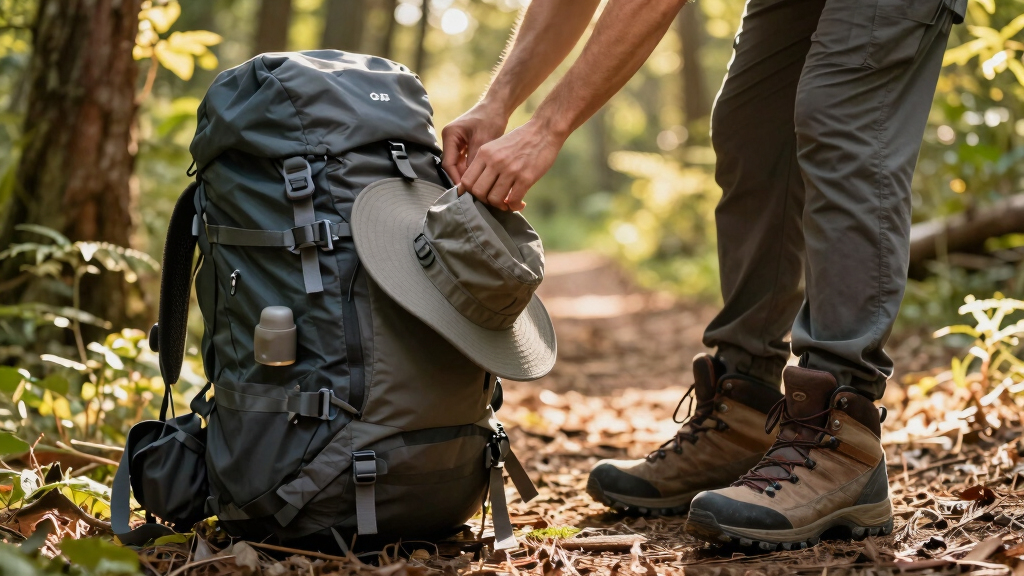
The risk is very low for most hikers and backpackers, especially if they avoid entering or disturbing rodent-infested shelters or cabins.
What precautions should I take to prevent hantavirus exposure?
Use an N95 mask when cleaning or entering rodent-infested spaces, avoid disturbing rodent nests, properly store food, and avoid leaving waste or nesting materials in shelters.
Can hantavirus spread from person to person?
Most strains, including Sin Nombre, do not spread between humans. The recent strain involved in the cruise ship outbreak, the Andean form, has shown rare human-to-human transmission under prolonged close contact.
Is it safe to camp in backcountry shelters?
Generally, yes—if the shelter is not heavily infested with rodents. Always inspect the area, avoid disturbing nests, and use protective gear when cleaning or entering enclosed spaces.
What are the symptoms of hantavirus infection?
Initial symptoms include flu-like signs such as fever, muscle aches, and fatigue, which can progress to severe respiratory illness. Seek medical attention if symptoms develop after exposure.
Halloween Picks
halloween
As an affiliate, we earn on qualifying purchases.