To protect your skin and enjoy your vacation, plan outdoor activities before 10 a.m. or after 4 p.m., when UV rays are weaker. Check local UV forecasts to identify safe times, and seek shade or indoor options during peak hours. Packing sun protection gear is also essential. By adjusting your schedule around UV peaks, you’ll stay safer and have a more relaxing trip. Stay with us to discover more tips for sun-smart travel.
Key Takeaways
- Plan outdoor activities early morning or late afternoon to avoid peak UV hours between 10 a.m. and 4 p.m.
- Use UV index forecasts to identify low UV times for safer outdoor excursions during your vacation.
- Stay indoors or seek shaded areas during midday when UV rays are strongest to protect your skin.
- Schedule beach trips or outdoor sightseeing outside peak UV times for maximum sun safety and enjoyment.
- Pack sun protection essentials and adjust activity timing based on UV levels to balance fun and health.

Planning your vacation wisely can make a significant difference in your sun safety and overall experience. One of the most effective ways to do this is by considering the timing of your trip in relation to UV peak hours. The sun’s rays are strongest between 10 a.m. and 4 p.m., and during this window, UV exposure can quickly increase your risk of sunburn, skin damage, and long-term health issues. By adjusting your travel planning, you can enjoy the outdoors while minimizing these risks. For instance, scheduling outdoor activities early in the morning or later in the afternoon means you’ll avoid the most intense UV rays, allowing you to get your dose of sunshine safely.
Plan outdoor activities early or late to avoid peak UV hours and stay sun-safe.
When you’re organizing your trip, think about the climate and the time of year. If you’re traveling to a sunny destination, check the local UV index forecast for your travel dates. Many weather apps provide daily UV levels, helping you identify the best times to be outdoors. Planning your activities around these peaks not only enhances your sun protection but also improves your overall experience. You might choose to visit beaches, parks, or outdoor attractions in the early morning or late afternoon when the sun isn’t at its strongest. This way, you can enjoy the scenery without risking overexposure.
Additionally, consider your accommodation’s location. Staying in shaded or indoor areas during peak UV hours can be a smart move. If you’re exploring a city or tourist spots, look for shaded walkways, parks, or indoor attractions to break up your outdoor time. Packing the right sun protection gear, like wide-brimmed hats, UV-protective sunglasses, and broad-spectrum sunscreen, is essential. But even with these precautions, timing your outdoor activities to avoid the UV peaks offers an extra layer of safety.
Travel planning also involves being flexible. If your schedule allows, plan to do indoor or less UV-dependent activities during the midday hours and reserve outdoor adventures for the early morning or late afternoon. Not only does this reduce your risk of sunburn, but it also helps prevent heat exhaustion and dehydration. Remember, the goal is to balance enjoying your vacation with protecting your skin and health. Being mindful of UV peaks and adjusting your plans accordingly will make your trip more enjoyable, safer, and healthier. Additionally, choosing low light office plants for your indoor spaces can help create a more relaxing environment during your downtime, especially when avoiding peak sun hours.

DYNAMIC SAUNAS Barcelona 1- to 2-Person Low EMF FAR Infrared Sauna with Red Light Therapy & Bluetooth Speakers | Personal Indoor Dry Heat Sauna for Home & Gym – Made from Canadian Hemlock
Efficient 360° PureTech Heating: Built with natural Canadian hemlock wood and 6 dynamic low EMF carbon PureTech infrared...
As an affiliate, we earn on qualifying purchases.
Frequently Asked Questions
How Do UV Peaks Vary Across Different Geographic Locations?
You’ll notice the UV index varies markedly with geographic location. In equatorial regions, UV peaks are higher and more intense year-round, increasing your risk of sun damage. Conversely, higher latitudes experience lower UV index peaks, especially during winter. Coastal and high-altitude areas also see elevated UV levels. Understanding this geographic variation helps you plan your outdoor activities, wear protection, and avoid peak UV times for safer sun exposure.
What Are the Health Risks of UV Exposure During Vacations?
During vacations, you risk UV damage and accelerated skin aging if you don’t protect yourself. Prolonged UV exposure can lead to sunburns, increase your chances of skin cancer, and cause premature wrinkles and age spots. To stay safe, wear broad-spectrum sunscreen, seek shade during peak UV hours, and cover up with clothing. Taking these precautions helps prevent long-term skin damage and keeps your skin healthier and younger-looking.
Can UV Peak Timings Change With Seasons or Weather?
Imagine planning a summer trip to the beach, but unexpectedly, a cold front causes seasonal UV shifts, lowering peak UV times. Seasonal UV shifts and weather impact can definitely change UV peak timings; for example, cloud cover or high altitude can increase UV exposure even during off-peak hours. Weather impacts, like haze or storms, also alter UV intensity, so it’s wise to check local forecasts and UV indexes to stay protected.
How Can I Protect Myself During High UV Periods While Traveling?
During high UV index periods while traveling, you can protect yourself by wearing broad-spectrum sunscreen with at least SPF 30, reapplying every two hours, especially after sweating or swimming. Seek shade whenever possible and wear protective clothing like hats and sunglasses. Stay indoors during peak sunlight hours, typically between 10 a.m. and 4 p.m., and stay vigilant about sun protection to prevent skin damage from harmful UV rays.
Are There Specific Times of Day Better for Outdoor Activities Year-Round?
The early bird catches the worm when it comes to outdoor activities year-round. To guarantee sun safety, aim for the peak hours, typically early morning or late afternoon, when UV rays are less intense. Avoid midday sun, especially between 10 a.m. and 4 p.m., to reduce skin damage. Planning your outdoor adventures during these times helps you enjoy the outdoors while protecting yourself from harmful UV exposure.
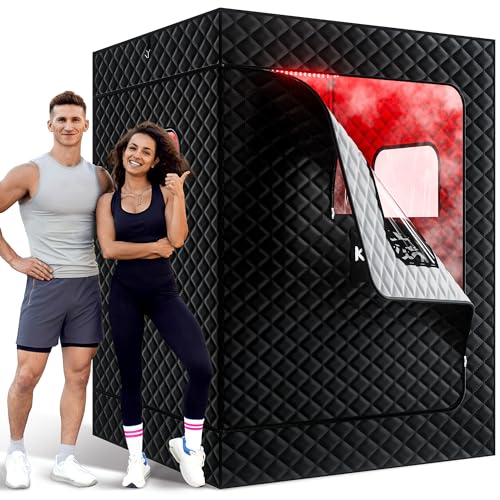
KASUE Upgraded 2 Person Sauna, Portable Infrared Sauna with 5-Layer Waterproof, 2 Steamers, 2 Folding Chair, 71”x 36”x 49” for Indoor, Outdoor, Gym, Spa, Carbon Black
Extra-Large Space: Unwind in the generous interior of this 2 person sauna (71" x 49" x 36"). The...
As an affiliate, we earn on qualifying purchases.
Conclusion
Remember, planning your vacation around UV peaks is like catching the best wave—it guarantees you enjoy the sun safely and make the most of your trip. By timing your getaway wisely, you can soak up the sun without risking skin damage. Don’t let high UV times catch you off guard; instead, be proactive like a seasoned surfer. With smart timing, you’ll have a memorable, safe vacation that leaves you refreshed and protected.

KASUE Portable Infrared Sauna, Steam Sauna with XL Steamer, 5-Layer Waterproof & Heat Insulation for Relaxation, Detoxification, Muscle Pain Relief Indoor & Outdoor(Obsidian Black)
【Spa-Quality Detox & Relaxation at Home】This advanced infrared sauna combines infrared heat with steam to promote detoxification, ease...
As an affiliate, we earn on qualifying purchases.

DYNAMIC SAUNAS Andora 2-Person Low EMF FAR Infrared Sauna with Red Light Therapy & Bluetooth Speakers | Personal Indoor Dry Heat Sauna for Home & Gym – Made from Canadian Hemlock
Efficient 360° PureTech Heating: Built with natural Canadian hemlock wood and 6 dynamic low EMF carbon PureTech infrared...
As an affiliate, we earn on qualifying purchases.