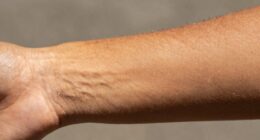

You love tanning because it boosts your confidence, enhances your appearance, and gives you that gorgeous sun-kissed glow. Sun exposure also helps your skin produce vitamin D, which supports bone health and mood. To enjoy these benefits safely, limit your time in the sun, wear protective clothing, and use sunscreen when needed. Balancing fun and protection keeps your skin healthy and youthful—stay tuned to discover how to tan responsibly and enjoy it fully.
Key Takeaways
- Tanning boosts confidence and enhances appearance, creating a desirable sun-kissed look.
- Sun exposure triggers vitamin D production, supporting bone health, immunity, and mood.
- Practice safe tanning by limiting sun exposure, using sunscreen, and avoiding peak UV hours.
- Consider alternatives like tanning lotions or sprays to achieve a glow without skin damage.
- Understanding UV risks motivates responsible behaviors to preserve long-term skin health and vibrancy.

Many people are drawn to tanning because it boosts confidence and enhances their appearance, but understanding why we love it is just as important as knowing how to do it safely. One key reason is that sun exposure triggers the production of vitamin D in your skin, which plays a essential role in bone health, immune function, and mood regulation. When you spend time in the sun, your body synthesizes this necessary nutrient naturally, making tanning feel rewarding beyond just the aesthetic. However, it’s important to balance this benefit with awareness of the risks involved. Prolonged or unprotected exposure can accelerate skin aging, leading to wrinkles, fine lines, and age spots, which can diminish the youthful glow you’re seeking. Over time, UV rays can break down collagen and elastin, the proteins responsible for skin firmness and elasticity, speeding up the aging process. That’s why many people chase that sun-kissed look, unaware of how it might age their skin prematurely.
Understanding this duality helps you appreciate why safe tanning practices matter. If your goal is to enjoy the benefits of vitamin D without accelerating skin aging, there are smarter ways to do it. Short, controlled sun exposure—like 10 to 15 minutes a few times a week—can be enough for your body to produce adequate vitamin D, especially if you live in a sunny climate. Always aim to do this during times when UV rays are less intense, typically before 10 a.m. or after 4 p.m., and keep skin protected with broad-spectrum sunscreen if you plan to stay out longer. Wearing protective clothing and seeking shade during peak hours further reduces the risk of skin damage. Remember, the goal isn’t to avoid the sun altogether but to enjoy its benefits responsibly.
Your mindset about tanning influences how you approach it. Instead of chasing an overly tan or artificial look, focus on health-conscious choices that preserve your skin’s youthfulness. Tanning should enhance your confidence without compromising your long-term skin health. Being aware of the connection between UV exposure, vitamin D synthesis, and skin aging allows you to make smarter decisions. By practicing safe sun habits—like limiting time in the sun, using protection, and opting for alternatives such as tanning lotions or sprays—you can enjoy the aesthetic benefits of tanning while minimizing damage. Ultimately, understanding why you love tanning helps you stay motivated to do it responsibly, ensuring your skin remains healthy and vibrant for years to come.

Neutrogena Ultra Sheer Dry-Touch Sunscreen Lotion SPF 70, Broad Spectrum, Water Resistant 80 Min, Oil-Free, Oxybenzone-Free, Non-Comedogenic, Matte Finish, Body Sunscreen, Travel Size 3 Fl Oz
SPF 70 broad spectrum sunscreen lotion delivers high UVA/UVB protection for daily use; water resistant for up to…
As an affiliate, we earn on qualifying purchases.
As an affiliate, we earn on qualifying purchases.
Frequently Asked Questions
Does Tanning Cause Permanent Skin Damage or Aging?
Tanning can cause permanent skin damage and accelerate aging. When you tan, ultraviolet (UV) rays break down collagen, reducing skin elasticity and leading to wrinkle formation over time. Even if you don’t notice immediate signs, the damage accumulates, making your skin less resilient and more prone to early aging. Protect your skin by avoiding excessive exposure, using sunscreen, and embracing safer alternatives like tanning lotions.
Can Tanning Be Beneficial for Vitamin D Absorption?
Think of sunlight exposure as nature’s vitamin D factory. When you spend time in the sun, your skin absorbs UV rays, triggering vitamin D synthesis. This process is beneficial for bone health and immune function. Just remember, moderation is key—too much sunlight can harm your skin. Short, safe periods of sun exposure help your body produce enough vitamin D without risking damage.
Are There Natural or Organic Tanning Products Available?
You can find natural or organic tanning products, like those made with natural oils and organic lotions, that offer a safer alternative to traditional options. These products often contain fewer synthetic chemicals and emphasize plant-based ingredients, helping you achieve a gradual tan while nourishing your skin. Always check labels to verify they’re truly organic, and remember, even natural products need proper application and sun protection for safe tanning.
How Can I Tell if My Tan Is Causing Skin Harm?
Think of your skin as a busy city street. If it turns red, feels tender, or shows signs of peeling, your skin’s warning lights are flashing. Excessive melanin production from overexposure signals damage, and skin cell damage can silently hide beneath the surface. Keep an eye out for dark spots, uneven tone, or sensitivity. If you notice these signs, it’s time to step back and protect your skin from further harm.
What Are the Best Alternatives to UV Tanning?
If you’re looking for alternatives to UV tanning, consider sunless options like spray tans and self-tanning lotions. These natural alternatives give you a bronzed look without the harmful UV exposure. They’re easy to apply, quick-drying, and customizable to your preferred shade. By choosing these options, you protect your skin from damage while still achieving a beautiful, sun-kissed glow. Always follow product instructions for the best results.

Jergens Natural Glow +Firming Self Tanner Body Lotion, Fair to Medium Skin Tone, Sunless Tanning Moisturizer with Collagen and Elastin. Helps to Visibly Reduce Cellulite, 7.5 Fl Oz
SELF TANNER BODY LOTION – Create a flawless light bronze tan with gradual, natural-looking color while nourishing and…
As an affiliate, we earn on qualifying purchases.
As an affiliate, we earn on qualifying purchases.
Conclusion
Remember, your love for tanning shouldn’t come at the cost of your health. Imagine Sarah, who enjoyed sunbathing but ignored her dermatologist’s advice. Years later, she faced skin cancer, wishing she’d taken precautions. You can enjoy a beautiful glow safely by using sunscreen, seeking shade, and limiting exposure. Embrace your love for tanning wisely—protect your skin today so you can enjoy tomorrow’s sunshine guilt-free. Your future self will thank you.

IUGA Rash Guard for Women UPF 50+ SPF UV Protection Long Sleeve Workout Tops with Pockets Dry Fit Hiking Swim Shirt
UPF 50+ for Sun Protection: Want to enjoy the outdoors without being damaged by UV rays? Putting on…
As an affiliate, we earn on qualifying purchases.
As an affiliate, we earn on qualifying purchases.

b.tan Clear Face Tan Mist | Gimme The Glow Down – Best Facial Tanner Spray, Gradual Bronzing Sunless Tanning Water, Infused with Rosewater, Vegan, Cruelty Free, 6.7 Fl Oz
CLEAR FACIAL TANNING SPRAY. a gradual glow self tan mist for face and body
As an affiliate, we earn on qualifying purchases.
As an affiliate, we earn on qualifying purchases.