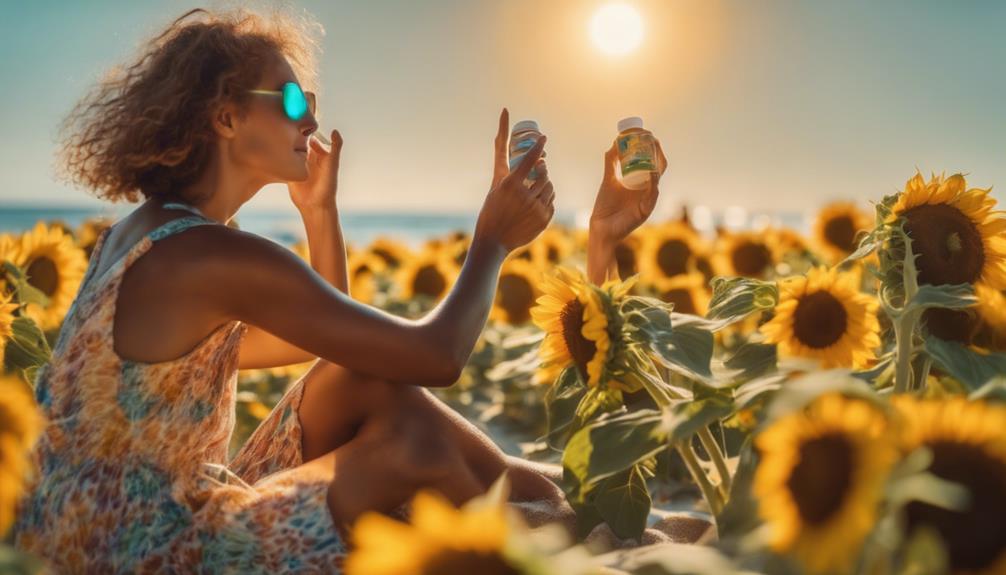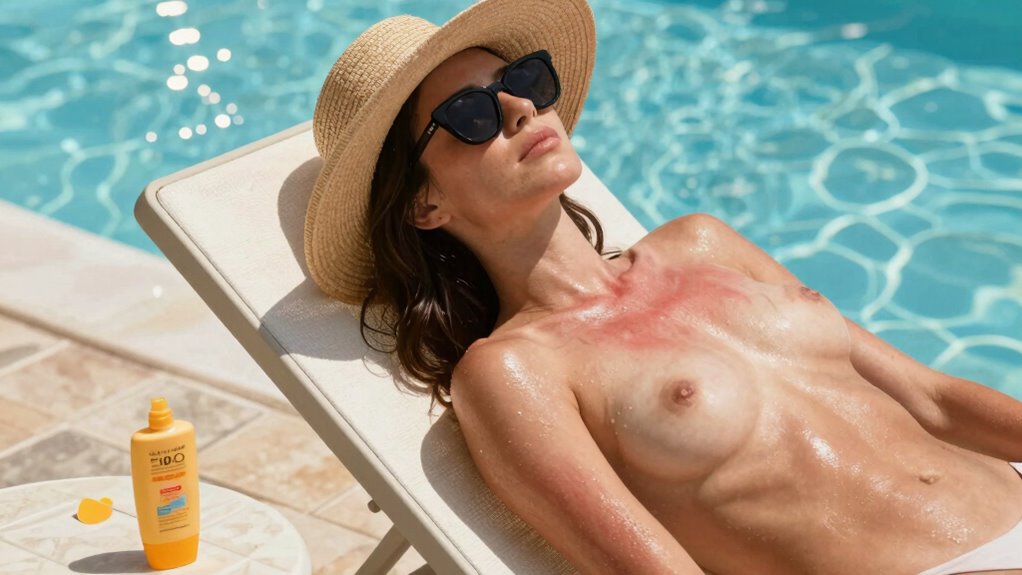

Skipping reapplication of sunscreen every two hours, especially after swimming or sweating, quietly increases your risk of sun damage. Relying solely on shade or sitting under umbrellas isn’t enough, as UV rays reflect off water, sand, and concrete, intensifying exposure. Wearing protective clothing helps, but thin fabrics can still let UV rays through. To stay safe, you need to combine proper sunscreen use with other protection methods—keep going to discover more tips to protect your skin effectively.
Key Takeaways
- Relying solely on shade or umbrellas without protective clothing or sunscreen offers limited UV protection.
- Forgetting to reapply sunscreen after swimming or sweating diminishes its effectiveness.
- Wearing thin or light-colored clothing that allows UV penetration increases skin exposure.
- Spending time outdoors during peak UV hours without extra precautions heightens sun damage risk.
- Ignoring reflective surfaces like water and sand can lead to unintentional UV exposure despite shade.

Spending time poolside can be relaxing, but certain habits you might not realize are silently increasing your sun damage risk. One of the most common mistakes is neglecting proper sunscreen application. You might think applying sunscreen once is enough, but in reality, it needs to be reapplied every two hours, especially if you’re swimming or sweating. Water and sweat wash away the protective layer, leaving your skin vulnerable. Many people underestimate how much sunscreen to use; a generous amount is necessary to cover all exposed areas fully. Don’t forget to apply it generously on often-missed spots like the ears, the back of your neck, and the tops of your feet. If you’re using spray sunscreen, make sure to rub it in thoroughly after spraying, because it’s easy to miss spots or not get even coverage.
Reapply sunscreen every two hours and cover all areas thoroughly for effective protection.
Another habit that can silently increase sun damage is relying solely on sunscreen without protective clothing. While sunscreen is essential, it shouldn’t be your only line of defense. Wearing protective clothing, like wide-brimmed hats, UV-protective sunglasses, and long-sleeved shirts, creates a physical barrier that blocks harmful rays. Many overlook the importance of clothing, assuming sunscreen alone is sufficient. But UV rays can penetrate thin fabrics, and prolonged exposure without coverage adds up over time. Choose lightweight, tightly woven fabrics made specifically for sun protection, especially if you plan to be outside for extended periods. Covering your skin with clothing reduces the need for frequent reapplications of sunscreen and provides consistent protection. Additionally, understanding UV reflection off surfaces like water and sand can help you better appreciate why shaded areas might still pose risks. Being aware of sunscreen efficacy and how factors like ingredient stability and proper application techniques impact your protection is also crucial for effective sun safety.
People also tend to forget that even shaded areas aren’t completely safe. UV rays can reflect off surfaces like water, sand, and concrete, increasing your exposure. Sitting under an umbrella or tree isn’t a guarantee of safety unless you’re also wearing protective clothing and applying sunscreen properly. It’s important to recognize that UV exposure can occur from indirect sources, making vigilance essential regardless of shade. Moreover, understanding how reflection amplifies UV exposure can help you take additional precautions. An awareness of sunscreen resistance and how environmental factors affect its effectiveness can also help you adjust your sun protection strategies accordingly. It’s easy to relax and forget about reapplying sunscreen or adjusting clothing, but consistent vigilance is key to minimizing damage. Also, many underestimate the importance of timing. The sun’s rays are strongest between 10 a.m. and 4 p.m., so limiting your time outdoors during these hours can significantly reduce your risk.
In the end, enjoying your time poolside doesn’t have to come at the expense of your skin health. By paying close attention to sunscreen application, wearing protective clothing, and being mindful of reflective surfaces and peak sun hours, you can protect yourself from silent sun damage and keep your skin safer while still enjoying the sunshine.

Neutrogena Ultra Sheer Dry-Touch Sunscreen Lotion SPF 70, Broad Spectrum, Water Resistant 80 Min, Oil-Free, Oxybenzone-Free, Non-Comedogenic, Matte Finish, Body Sunscreen, Travel Size 3 Fl Oz
SPF 70 broad spectrum sunscreen lotion delivers high UVA/UVB protection for daily use; water resistant for up to…
As an affiliate, we earn on qualifying purchases.
As an affiliate, we earn on qualifying purchases.
Frequently Asked Questions
Does Wearing Sunglasses Protect Against All Types of Sun Damage?
Wearing sunglasses helps protect your eyes from UV rays, but they don’t shield you from all sun damage. Sunglasses limitations include not covering your entire face or all exposed skin, and misconceptions about UV protection can lead to overconfidence. To truly guard against sun damage, you should also apply sunscreen, wear protective clothing, and seek shade. Relying solely on sunglasses isn’t enough for thorough sun safety.
How Does Swimming in Chlorinated Water Affect Skin Protection?
Swimming in chlorinated water can strip your skin of natural oils, leading to skin dehydration. Chlorine effects weaken your skin’s barrier, making it more vulnerable to sun damage. To protect yourself, rinse off after swimming, apply a good moisturizer, and wear broad-spectrum sunscreen. Staying hydrated helps counteract dehydration. These steps guarantee your skin remains resilient against UV rays, reducing long-term damage and keeping your skin healthier overall.
Can Certain Clothing Materials Increase Sun Damage Risk?
Yes, certain clothing materials can increase your sun damage risk. Fabrics like cotton or non-UPF-rated materials offer minimal fabric protection, allowing UV rays to penetrate easily. Lightweight or thin fabrics don’t block enough sun, exposing your skin to harmful rays. To reduce sun damage, opt for tightly woven, UPF-rated clothing that provides better fabric protection. Wearing the right clothing material keeps you safer and helps prevent long-term skin damage.
Is There a Safe Way to Tan Near the Pool?
Did you know that only 14% of people reapply sunscreen correctly? To tan safely near the pool, avoid tanning oils, which often lack SPF and increase UV exposure. Instead, use a broad-spectrum sunscreen and reapply every two hours, especially after swimming or sweating. For a safer glow, consider sunless tanning products, and stay in the shade during peak hours. Always prioritize protecting your skin while enjoying the sun.
Do Poolside Drinks Impact Skin’s Vulnerability to UV Rays?
Poolside drinks can impact your skin’s vulnerability to UV rays if they contain alcohol, which dehydrates your skin and reduces its natural protection. This makes you more prone to sun damage. To minimize risk, enjoy poolside snacks that hydrate you and remember to apply sunscreen generously and regularly. Staying hydrated and protected helps your skin resist UV rays and keeps it healthier while you relax by the pool.

Avoogue Women's UPF 50+ Sun Protection Shirts Long Sleeve SPF Shirt with Tthumb Holes Rash Guard Swim Hiking Fishing Tops Lightweight Work Out Tops (Gradient Rainbow,L)
【Sun Protection】This long sleeve workout top provides professionally certified UPF 80+ sun protection,effectively protecting against UV rays.
As an affiliate, we earn on qualifying purchases.
As an affiliate, we earn on qualifying purchases.
Conclusion
So, next time you’re lounging by the pool, will you choose habits that protect your skin or unknowingly accelerate damage? Small changes, like applying sunscreen regularly and avoiding prolonged exposure during peak hours, can make a big difference. Don’t let these quiet habits sabotage your skin’s health. After all, isn’t your future self worth a little extra effort today? Make smarter choices now to enjoy many more carefree poolside days ahead.
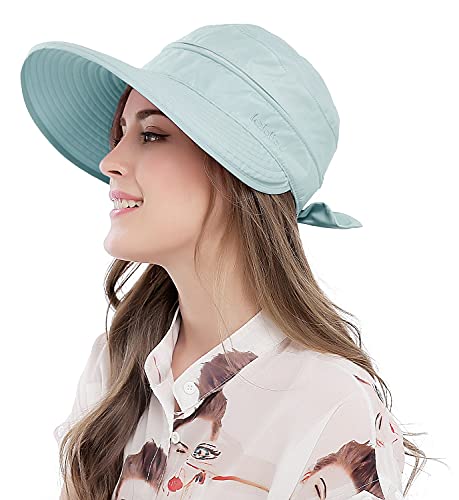
Women's Wide Large Brim Sun Hat Swimming UPF UV Protection Hat Cap Chic Beach Hat, Grey
🌹🌹🌹【Material of this sunblock Hat】Polyester Cotton. No smell, quick-dry and environment friendly.
As an affiliate, we earn on qualifying purchases.
As an affiliate, we earn on qualifying purchases.

KALIYADI Polarized Sunglasses for Men and Women Matte Finish Sun glasses Color Mirror Lens UV Blocking (3 Pack)
★ Protect Your Eyes With Style ▶ We created our polarized sunglasses men women to protect your eyes…
As an affiliate, we earn on qualifying purchases.
As an affiliate, we earn on qualifying purchases.