

TL;DR

Get beauty and skincare favorites delivered free with Prime
- Fast, free delivery on millions of items
- Prime Video, Amazon Music and more included
- Member-only deals all year
A new study finds that the current 150-minute weekly exercise recommendation may be insufficient for substantial heart health benefits. Instead, 560-610 minutes per week could provide greater protection against cardiovascular events. The findings suggest exercise guidelines might need personalization based on individual fitness levels.
A new study published today in the British Journal of Sports Medicine suggests that the standard recommendation of 150 minutes of exercise per week may be insufficient to significantly lower the risk of cardiovascular events. The research indicates that engaging in approximately 560 to 610 minutes weekly could lead to more than 30 percent risk reduction, prompting calls for personalized exercise targets based on individual fitness levels.
The study, involving 17,088 UK Biobank participants with an average age of 57, tracked physical activity via wrist-worn devices over seven days and followed participants for nearly eight years. Results showed that while 150 minutes of weekly exercise was associated with a nine percent reduction in cardiovascular events, achieving a 30 percent reduction required about 560 to 610 minutes weekly. Only 12 percent of participants reached these higher levels.
Researchers also found that individuals with lower baseline fitness levels needed about 30 to 50 more minutes of exercise per week to attain similar benefits compared to fitter individuals. The study emphasizes that the current 150-minute guideline functions more as a minimum threshold rather than an optimal dose for significant health gains.
Why It Matters
This research challenges the sufficiency of current exercise guidelines, suggesting that more intensive activity could substantially improve heart health outcomes. For individuals with a family history of cardiovascular disease or lower fitness levels, increasing weekly activity beyond the standard may be especially beneficial. The findings could influence future public health recommendations and personalized fitness strategies.
Products Worth Considering

Bowflex PR1000 Home Gym
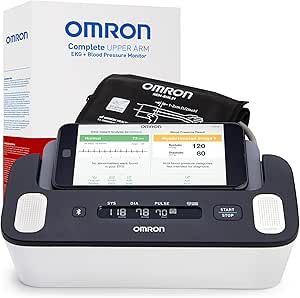
OMRON Complete 2-in-1 Upper Arm Blood Pressure Monitor with EKG

Garmin Venu 3 Fitness Smartwatch, 45 mm, Black
As an affiliate, we earn on qualifying purchases.
Background
The 150-minute weekly exercise recommendation is endorsed by the CDC and WHO and is widely regarded as a realistic target for most adults. However, recent data shows less than half of Americans meet this guideline. Previous studies established benefits at this level, but the new research indicates that greater activity levels may be necessary for meaningful cardiovascular protection. The study builds on ongoing discussions about personalized health targets versus one-size-fits-all advice.
“What our findings suggest is that 150 minutes per week may function more as a minimum effective threshold, rather than the dose associated with substantial cardiovascular risk reduction.”
— Ziheng Ning, researcher at Macao Polytechnic University
“Baseline fitness levels significantly influence how much exercise is needed to see meaningful benefits; fitter individuals might need less, while those less fit may require more.”
— Dr. Kevin Shah, cardiologist, Long Beach, California
“The study indicates that increasing exercise beyond 150 minutes can lead to greater cardiovascular protection, especially for those at higher risk.”
— Dr. Bert Mandelbaum, sports medicine doctor, Santa Monica, California
What Remains Unclear
The study is observational, so it cannot definitively establish causation between increased exercise and reduced cardiovascular risk. The participant pool was predominantly white (96 percent), limiting generalizability. Sedentary behavior and less vigorous activity were not measured, and the study group may have been healthier than the general population. Further research is needed to confirm these findings across diverse groups and to determine causality.
What’s Next
Researchers plan to conduct randomized controlled trials to verify whether increasing exercise levels directly reduces cardiovascular events. Public health agencies may consider revising guidelines to incorporate personalized recommendations. Clinicians might also tailor advice based on individual fitness levels and risk profiles.
Key Questions
Does this mean I should exercise more than 150 minutes weekly?
While the study suggests benefits increase with more exercise, individuals should consult healthcare professionals to determine personalized targets, especially if they have health risks.
Is it realistic for most people to exercise 560 minutes per week?
Achieving this level may be challenging; however, even incremental increases beyond 150 minutes could provide additional health benefits. Strategies include spreading activity throughout the week and incorporating various forms of exercise.
Does this apply to all age groups and populations?
The study primarily involved middle-aged adults and was predominantly white, so further research is needed to confirm applicability across diverse populations and age groups.
Source: Outside