TL;DR

Get beauty and skincare favorites delivered free with Prime
- Fast, free delivery on millions of items
- Prime Video, Amazon Music and more included
- Member-only deals all year
A Glamour UK article has brought attention to dark showering: taking a shower with the bathroom lights off or dimmed as a way to make autumn mornings and evenings feel calmer. Experts quoted in the report say the sensory focus may support relaxation, while warm water and a dim setting may help some people wind down; the article does not establish that dark showers improve sleep or mental health.
Glamour UK has published a report on “dark showering,” a routine of showering with some or all bathroom lights off, presenting it as a way to make dark autumn mornings and evenings feel calmer. The article includes expert comments on relaxation and sleep, but its claims about mood, cortisol and body-clock benefits are not established by evidence detailed in the report.
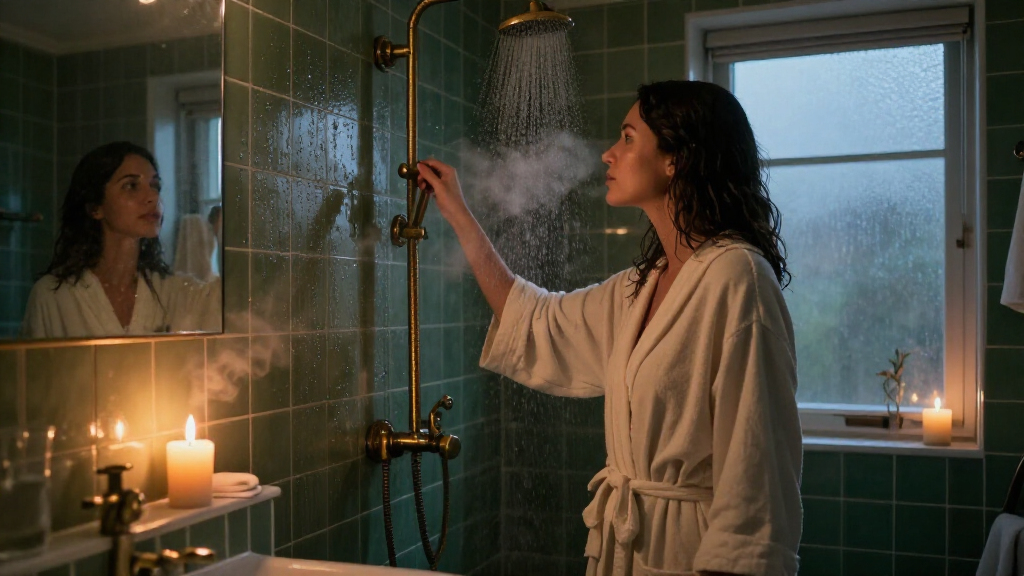
The practice is straightforward: turn off the overhead light, or reduce lighting, and pay attention to sensations such as warm water, sound and fragrance. Glamour UK describes it as a form of mindful self-care that removes visual distractions. It also suggests taking a shower at night to create a more relaxing pre-bed routine, or in the morning to avoid the shock of bright bathroom lighting.
Shalin Balasuriya, wellness expert and co-founder of Spa Ceylon, told the magazine that engaging several senses can make the experience grounding. He also connected mindful bathing with the Ayurvedic practice of snāna. That cultural context is his explanation; the report does not present evidence showing that dark showering itself produces specific health outcomes.
For sleep, the article quotes Dr Allie Hare, a consultant in sleep medicine, who says a dark or dim setting may help some people relax and wind down. The report identifies warm water as the better-supported element of a pre-sleep shower and describes darkness as complementary. It does not establish that showering in darkness improves sleep for everyone, or provide measured results from a trial.
A Low-Cost Autumn Wind-Down
The appeal is practical: the routine costs little and uses an ordinary bathroom, offering a small change for people who find short days and dark mornings difficult. Its popularity also reflects a wider interest in simple, sensory routines that may make daily habits feel more restorative.
Readers should distinguish the experience from the health claims sometimes attached to wellness trends. A shower in dim light may feel peaceful, and an individual account in the report describes feeling calmer after trying it. That is not the same as evidence of a reliable effect on mental health, cortisol or the body clock. The report offers expert perspectives and personal experience, not a controlled study.
There is also a straightforward safety issue: reduced visibility can make showering less safe, particularly when stepping in or out, shaving or using products. The article itself advises using a small night light for tasks such as shaving. A dim setting should not come at the expense of being able to see hazards.
Products Worth Considering

Blueair Blue Pure 211i Max Air Purifier

Oura Ring 4 Smart Ring – Silver – Size 8

Levoit Vital 200S-P Smart Air Purifier for Large Rooms
As an affiliate, we earn on qualifying purchases.
How the Routine Is Described
The Glamour UK report frames dark showering around seasonal changes in daylight. Its author describes trying the routine on dark mornings and says it became a habit a few times a week. That is a personal account, not a measured assessment of sleep or mental health.
The article also discusses morning daylight separately from the shower. Gary Brecka, a human biologist and founder of The Ultimate Human Wellness, says natural morning light helps signal wakefulness and regulate the body clock. The report recommends going outdoors after a morning shower, but that advice should not be confused with evidence that a dark shower itself changes circadian rhythms.
For bedtime, the report points to warm water and a calm routine as possible supports for winding down. Hare’s comments are narrower than a claim that darkness treats sleep problems: she describes dim lighting as a possible aid to relaxation for some individuals.
““By engaging multiple senses, you create a moment of self-care that leaves you refreshed and grounded.””
— Shalin Balasuriya, wellness expert and co-founder of Spa Ceylon, quoted by Glamour UK
Benefits Remain Unverified
The report provides no clinical trial, measured sleep data or comparison group showing that dark showering improves sleep, mood or cortisol levels. It includes expert commentary and one writer’s personal experience, so the size and consistency of any benefit remain unclear.
The source also does not establish how often someone would need to try the routine, whether it works differently in the morning and evening, or which lighting level is appropriate. The supplied report text ends during Hare’s discussion of sleep, so her full explanation is not available here. Claims about effects on a person’s mental health or body clock should not be read as confirmed outcomes.
Try It With Safe Lighting
The development is a lifestyle report, not a formal health recommendation, and no further study or official guidance is announced in the source material. Anyone curious can treat it as a personal comfort routine rather than a proven intervention: reduce the light if it feels relaxing, while keeping enough visibility to move safely and handle toiletries.
For morning use, the article’s suggested next step is to get natural daylight after showering. For evening use, it presents a dim shower as one possible part of winding down. People with persistent sleep or mental-health concerns should seek advice from an appropriate health professional rather than relying on a lighting change alone.
Key Questions
What is dark showering?
It means showering with the bathroom lights off or dimmed, while focusing on sensations such as the water, sounds and scents around you.
Does dark showering improve sleep?
The report does not establish that it does. Sleep specialist Dr Allie Hare says dim light may help some people relax before bed; the article identifies warm water as the better-supported part of a showering routine for winding down.
Can it improve mood or lower cortisol?
Glamour UK and its sources discuss possible relaxation and mood benefits, but the report provides no measured evidence that dark showering lowers cortisol or improves mental health.
Is it safe to shower in complete darkness?
Reduced visibility can make it harder to move safely or use razors and toiletries. The report suggests a small night light for tasks such as shaving; use enough light to avoid hazards.
What can someone do after a dark morning shower?
The report recommends getting outdoors for natural daylight, which its quoted expert says helps signal wakefulness. That is a separate suggestion from the shower itself and does not prove that dark showering resets the body clock.
Source: glamourmagazine.co.uk