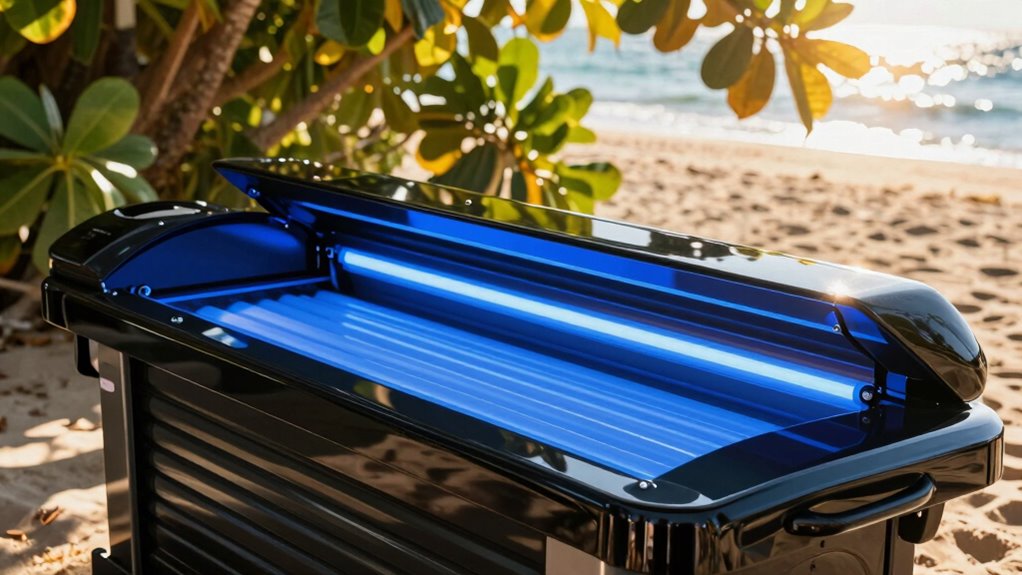

Tanning beds and natural sun exposure both use UV radiation to darken your skin, but tanning beds offer more control and can cause uneven pigmentation or burns if overused. Sun exposure is more natural and typically safer when cautious, providing benefits like vitamin D without the high intensity risks. However, both methods carry dangers like skin damage and increased cancer risk if not managed carefully. Keep exploring to understand how to enjoy a bronze look while protecting your health.

Get beauty and skincare favorites delivered free with Prime
- Fast, free delivery on millions of items
- Prime Video, Amazon Music and more included
- Member-only deals all year
Key Takeaways
- Both tanning beds and natural sun exposure darken skin through UV radiation, but tanning beds often deliver more intense and controlled UV exposure.
- Natural sunlight promotes a more even and gradual tan, while tanning beds can cause uneven pigmentation and skin burns.
- Sunlight effectively produces vitamin D with generally safer exposure levels compared to tanning beds’ high-intensity UVB emissions.
- Overexposure to UV from either method increases skin damage, aging, and skin cancer risk.
- Safer alternatives like spray tans or lotions offer a bronzed look without the health risks associated with UV exposure.
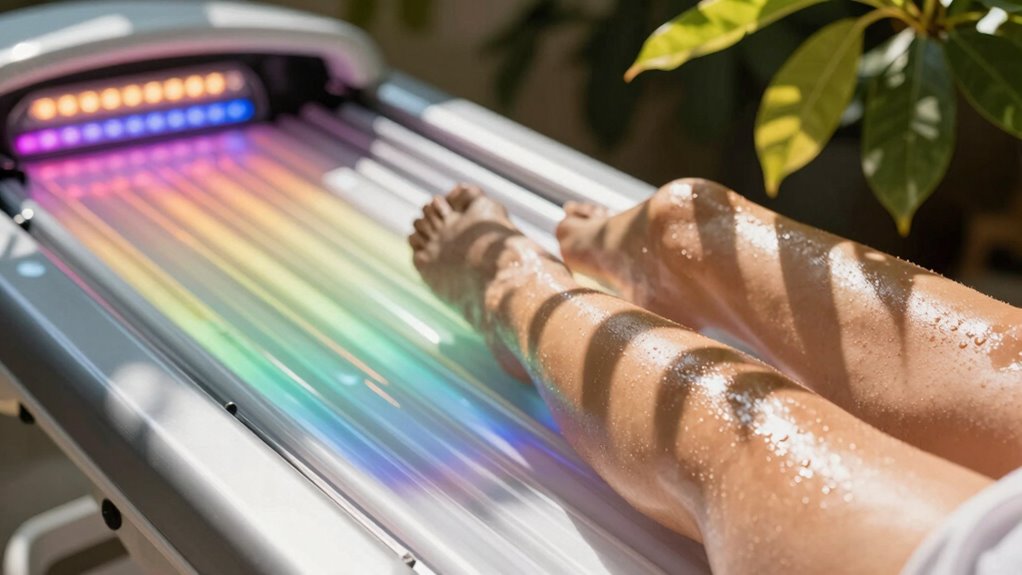
When it comes to achieving a sun-kissed glow, many people wonder whether tanning beds or natural sun exposure is the better choice. Both options can darken your skin and provide that desirable bronzed look, but they do so through different mechanisms and come with different health implications. If you’re aiming for a specific skin pigmentation, you need to understand how each method affects your skin. Natural sunlight stimulates melanin production gradually, leading to a more even and natural-looking tan. In contrast, tanning beds deliver controlled doses of UV radiation, which can sometimes result in uneven pigmentation or burns if not used carefully. Over time, frequent use of tanning beds might lead to irregular skin pigmentation, uneven patches, or premature aging, whereas gradual exposure to sunlight tends to promote a more uniform tan, provided you’re cautious about overexposure. Additionally, the regulation of UV exposure in tanning beds varies, which can increase the risk of overexposure if not carefully managed. Beyond skin pigmentation, a major reason many seek out tanning options is to boost vitamin D synthesis. Sunlight, especially UVB rays, triggers your skin’s ability to produce vitamin D naturally. Natural sun exposure is generally more effective at this process because it provides a broad spectrum of UV rays, and when done safely, allows your body to generate adequate vitamin D without excessive risk. Tanning beds also emit UVB rays designed to stimulate vitamin D production, but they often do so at a much higher intensity. This can lead to increased health risks, such as skin damage or even skin cancer, without necessarily providing a safer or more efficient way to get your vitamin D. Moreover, the controlled environment of tanning beds can tempt users to spend more time than recommended, increasing the danger of overexposure. It is also worth noting that the environmental impact of tissue paper is a concern in many aspects of daily life, reminding us to consider the broader ecological footprint of our choices, including those related to personal health and cosmetic practices. However, it is essential to recognize that both methods require careful management to minimize risks. A balanced approach that considers skin type, exposure time, and health risks is crucial for safe tanning. However, it’s important to remember that both tanning beds and natural sun exposure carry risks. Excessive UV radiation, whether from the sun or tanning beds, damages your skin’s DNA, accelerates aging, and raises your risk of skin cancer. While natural sunlight offers the benefit of vitamin D synthesis, it also exposes you to harmful UV rays that can be difficult to control. Tanning beds, on the other hand, offer a more predictable environment but often at the expense of increased health risks due to concentrated UV exposure. The key is moderation and understanding your skin type and health risks. If you want a tan with minimal harm, consider safe alternatives like spray tans or lotions. Remember, your skin’s health and appearance depend on making informed choices about exposure, whether natural or artificial.
Products Worth Considering

BowFlex Results Series SelectTech Dumbbells

Garmin Forerunner 570 GPS Running Smartwatch, 47mm, Aluminum, Black

Theragun Mini 3rd Generation Massage Gun – Travel Essential (Black)
As an affiliate, we earn on qualifying purchases.
Frequently Asked Questions
Do Tanning Beds Provide the Same Vitamin D Benefits as Sunlight?
Tanning beds do provide vitamin D benefits, but they aren’t the same as natural sunlight. When you use tanning beds, the UV exposure stimulates your skin to produce vitamin D, similar to the sun. However, the amount of UV rays and skin pigmentation affect how much vitamin D you get. Natural sunlight offers a broader spectrum, making it generally safer and more effective for vitamin D production than tanning beds.
Are Tanning Beds Safer Than Sunbathing in Terms of Skin Damage?
You might think tanning beds are safer, but they’re not. They increase your risk of skin cancer by 59% and accelerate skin aging just like natural sun exposure. A surprising 80% of skin cancers are linked to UV radiation from tanning beds and sunlight. So, while tanning beds might seem controlled, they still damage your skin, making sunbathing or tanning beds equally risky for your skin’s health.
Can Tanning Beds Help Improve Mood or Mental Health?
Tanning beds can boost your mood and possibly improve mental health temporarily due to the release of endorphins and increased serotonin levels. You might feel more relaxed and uplifted after sessions. However, it’s important to remember that these benefits are short-term and don’t outweigh the risks associated with tanning bed use, such as skin damage or increased cancer risk. For long-term mental health, consider safer options like outdoor activities or light therapy.
How Does the Cost of Tanning Beds Compare to Sun Exposure?
Imagine you’re in a noir film, searching for light—tanning beds often seem more cost-efficient than natural sun exposure, especially since they offer controlled, consistent results. However, consider accessibility challenges: tanning beds can be expensive upfront, while sun exposure is free but dependent on weather and location. Over time, natural sun might save you money, but tanning beds provide convenience and predictability, making them a costly yet controlled alternative.
Are There Age Restrictions for Using Tanning Beds?
Yes, there are age restrictions for using tanning beds. Most regulations set a minimum age, often 18, based on regulatory age guidelines to protect minors from harmful UV exposure. You should always check local laws, as age restrictions can vary by region or facility. These restrictions aim to reduce health risks, especially for young people, so always follow the age guidelines to stay safe while tanning.
Conclusion
So, next time you’re tempted to hit the tanning bed, consider this: some believe it offers a safer alternative to sun exposure, but the truth is, both can harm your skin over time. The idea that tanning beds are risk-free is a myth—UV radiation, whether from the sun or a bed, increases your chances of skin damage and cancer. Stay informed, protect your skin, and enjoy a healthy glow without risking your health.