Reflected surfaces like water, snow, sand, and shiny urban structures can dramatically increase your UV exposure, even if you’re in the shade or wearing sunscreen. These surfaces bounce UV rays back onto your skin, raising your risk of sunburn, premature aging, and skin cancer. To protect yourself, wear protective clothing, use broad-spectrum sunscreen, and seek shade during peak hours. If you keep exploring, you’ll discover how to minimize these risks and stay safer outdoors.

Get beauty and skincare favorites delivered free — and shop member deals
- Fast, free delivery on millions of items
- Access to Prime Big Deal Days deals on October 6–7
- Prime Video, Amazon Music and more included
Key Takeaways
- Reflective surfaces like water, snow, and sand can amplify UV exposure, increasing skin damage risk.
- UV rays bounce off surfaces such as glass and pavement, intensifying the potential for sunburn and skin aging.
- Snow reflects up to 80% of UV radiation, significantly raising skin cancer and photoaging risks.
- Increased UV reflection from surfaces requires additional protective measures like sunscreen and clothing.
- Awareness of reflective surfaces helps in planning outdoor activities to minimize skin damage from reflected UV rays.
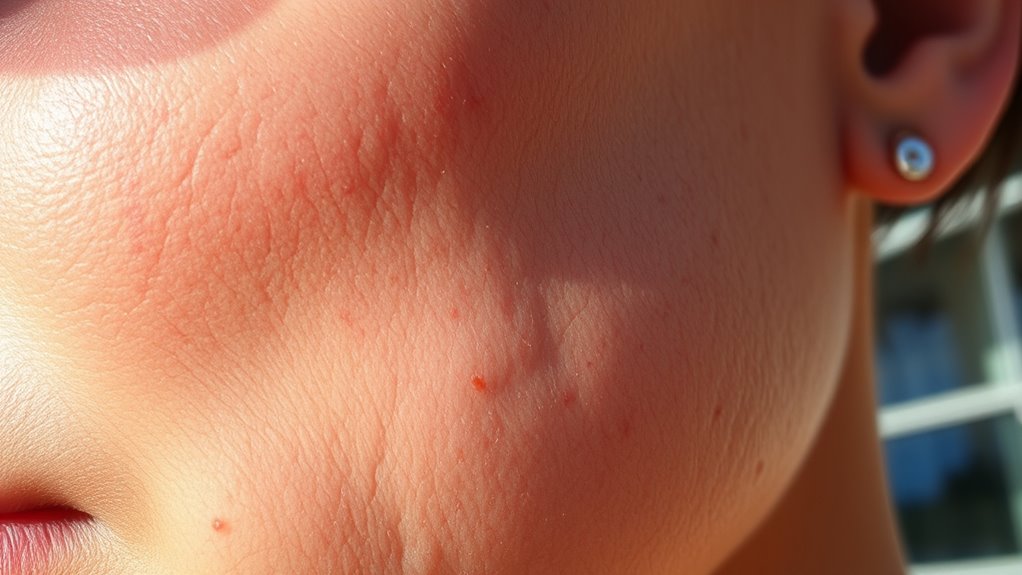
Many people are unaware that surfaces reflecting sunlight can markedly increase UV exposure and cause skin damage. When you’re outdoors, you might think that being in the shade or covering up offers enough protection, but reflective surfaces can undermine your efforts. These surfaces, like water, sand, concrete, snow, or even glass, bounce UV rays back toward your skin, amplifying your exposure beyond what direct sunlight alone would cause. This phenomenon, known as UV reflection, can substantially increase your risk of sunburn, premature aging, and skin cancer if you’re not cautious.
Understanding surface safety becomes vital when you’re planning outdoor activities. For example, walking on a bright white sand beach or sitting near a reflective pool can expose you to higher levels of UV radiation. These surfaces don’t just reflect sunlight; they reflect UV rays, which are the primary culprits behind skin damage. Even if you’re wearing sunscreen, the reflected UV rays can penetrate through and cause harm, especially if you’re in the same spot for an extended period. That’s why it’s important to consider the environment’s reflective qualities and take steps to protect yourself.
One effective way to improve surface safety is to be aware of your surroundings and the reflective potential of surfaces nearby. If you’re at the beach, wear broad-brimmed hats, sunglasses, and protective clothing, and apply a broad-spectrum sunscreen generously. Seek shade whenever possible, especially during peak sunlight hours, and be mindful of reflective surfaces that can double your UV exposure. If you’re near snow-covered terrains, remember that snow’s high reflectivity can bounce UV rays at nearly 80% of the sunlight hitting it, increasing your skin’s risk of damage. Wearing UV-protective clothing and UV-blocking goggles becomes even more critical in these environments.
In urban settings, surfaces like glass windows and shiny buildings can also contribute to UV reflection. If you’re walking or working near these, consider installing UV-protective films on windows or positioning yourself in shaded areas. The key to surface safety is awareness: knowing that reflective surfaces can dramatically increase UV exposure and taking proactive measures to shield your skin. Understanding UV reflection can help you better protect yourself from unseen hazards. You might not see the reflection, but UV rays don’t need to be visible to cause harm. By understanding the role of UV reflection and adjusting your habits accordingly, you can greatly reduce your risk of skin damage and enjoy your time outdoors more safely.
broad spectrum sunscreen for outdoor activities
As an affiliate, we earn on qualifying purchases.
As an affiliate, we earn on qualifying purchases.
Frequently Asked Questions
Can Reflected Surfaces Cause Long-Term Skin Health Issues?
Yes, reflected surfaces can cause long-term skin health issues. UV reflection increases your exposure to harmful rays, which can accelerate skin aging and raise the risk of skin cancer. Even if you’re not directly in sunlight, reflected UV rays can reach your skin and cause damage over time. To protect yourself, wear broad-spectrum sunscreen, seek shade, and cover up when around reflective surfaces like water, sand, or snow.
Which Materials Reflect the Most UV Rays and Increase Skin Damage?
While a mirror reflection and water surfaces can subtly enhance UV exposure, materials like snow and sand tend to reflect the most UV rays, increasing your skin’s vulnerability. Water surfaces, especially calm water, also reflect significant UV radiation. You might not notice it, but these reflections amplify your UV exposure, so wearing protective clothing and broad-spectrum sunscreen is essential. Stay mindful of these reflective surfaces to safeguard your skin’s health.
How Can I Protect My Skin From Reflected UV Exposure During Outdoor Activities?
To protect your skin from reflected UV exposure during outdoor activities, you should use effective UV protection strategies like applying broad-spectrum sunscreen, wearing protective clothing, and a wide-brimmed hat. Stay aware of reflective surfaces like water, sand, and snow that increase UV rays. Seek shade when possible, and reapply sunscreen regularly. These steps help minimize skin damage caused by reflected UV rays, keeping you safer outdoors.
Are There Specific Skin Types More Vulnerable to Reflected Surface Damage?
You’re more vulnerable to reflected surface damage if you have sensitive skin or high tanning susceptibility. Fair skin, light hair, and blue or green eyes often indicate higher risk. These skin types absorb UV rays more easily, increasing your chance of damage. To protect yourself, wear broad-spectrum sunscreen, seek shade, and use protective clothing. Being aware of your skin sensitivity helps you take extra precautions against reflected UV exposure.
Does Reflected UV Light Affect Skin Differently Than Direct Sunlight?
Reflected UV light can be just as damaging as direct sunlight, with surface reflection increasing UV exposure by up to 50%. When you’re outdoors, reflected UV from surfaces like water, sand, or snow can penetrate your skin more deeply. This means your skin endures more damage even if you’re shaded or in the shade. Protect yourself by applying broad-spectrum sunscreen and wearing protective clothing, especially near reflective surfaces.
Conclusion
So, next time you’re soaking up the sun, remember that reflected surfaces can turn your skin into a blazing battlefield. Don’t let your skin suffer the wrath of intense UV rays bouncing back at you—it’s like fighting a war on your own skin! Protect yourself with sunscreen, wear protective clothing, and seek shade. Your skin deserves more than to be an unintentional target in this radiant showdown. Stay safe and keep your skin glowing!
Fall Picks
fall essentials
As an affiliate, we earn on qualifying purchases.