
To improve sun-damaged skin, exfoliate 2-3 times a week with a gentle chemical peel or scrub to remove dead skin and encourage renewal. Follow with an antioxidant serum containing vitamin C or E to protect against free radicals and promote healing. Always apply sunscreen during the day to prevent further damage. Consistency is key—keep up this routine, and you’ll discover more tips to restore your skin’s health along the way.
Key Takeaways
- Use a gentle chemical exfoliant with AHAs or BHAs 2-3 times weekly to remove dead skin and improve texture.
- Apply antioxidant serums like vitamin C after cleansing to protect against free radical damage and brighten skin.
- Always wear a broad-spectrum sunscreen daily, especially after exfoliation, to prevent further sun damage.
- Incorporate chemical peels gradually under professional guidance to target sun spots and promote an even skin tone.
- Maintain a consistent routine combining exfoliation, serums, and sun protection for visible improvements over time.

Sun-damaged skin can be stubborn, but establishing a consistent exfoliation routine can substantially improve its appearance. When you’re dealing with sun spots, uneven tone, and rough texture, exfoliation becomes a key step in your skincare regimen. It helps remove dead skin cells that dull your complexion and encourages new, healthier skin to surface. Incorporating chemical peels into your routine can be particularly effective. These professional treatments or at-home peels use acids like alpha hydroxy acids (AHAs) or beta hydroxy acids (BHAs) to deeply exfoliate layers of damaged skin. Chemical peels can reduce the appearance of sun spots, improve skin texture, and promote a more even tone. Start slowly, especially if you’re new to peels, and always follow instructions carefully to avoid irritation. Over time, regular peels can lead to noticeable improvements, but they work best when paired with a thorough skincare approach.
In addition to chemical peels, using antioxidant serums plays a crucial role in protecting your skin from further sun damage. These serums contain antioxidants like vitamin C, E, or ferulic acid, which neutralize free radicals generated by UV exposure. Applying an antioxidant serum daily creates a protective barrier that minimizes future damage and supports skin repair. You’ll notice your skin looks brighter and feels more resilient when you consistently incorporate these serums into your routine. They also enhance the results of exfoliation by promoting collagen production and reducing inflammation caused by sun exposure. For best results, apply the serum after cleansing and before moisturizing. This layered approach maximizes absorption and benefits.
Consistency is your best weapon against sun damage. Make exfoliation a regular part of your skincare routine—aim for 2 to 3 times a week, depending on your skin’s tolerance. When using chemical peels or exfoliating acids, always wear sunscreen during the day, as your skin will be more sensitive to UV rays. Sun protection is non-negotiable in preventing further damage and maintaining your skin’s health. Incorporating advanced algorithms in your skincare analysis can help tailor routines for optimal results. Pairing exfoliation with antioxidant serums creates a cycle of renewal and protection that gradually restores your skin’s vitality. Remember, sun-damaged skin takes time to improve, so patience and persistence are essential. By sticking to your routine and being diligent about sun protection, you’ll see your skin become clearer, more even, and healthier.

Acure Brightening Facial Scrub – Exfoliating Face Wash, Gentle Daily Scrubber & Exfoliator for Women & Men for Radiant Skin, Cleansing Wash with Sea Kelp & French Green Clay – 4 fl oz
CLEANSING AND EXFOLIATING FACIAL SCRUB – Acure Brightening Facial Scrub buffs away dull, dead skin cells with finely…
As an affiliate, we earn on qualifying purchases.
As an affiliate, we earn on qualifying purchases.
Frequently Asked Questions
How Often Should I Exfoliate if I Have Sensitive Skin?
If you have sensitive skin, you should exfoliate once a week to avoid irritation. Use gentle products with soothing ingredients like aloe or oatmeal, and avoid harsh scrubs or acids. Exfoliation timing is best after cleansing, and always follow up with post-exfoliation hydration to calm your skin. Pay attention to how your skin reacts, and adjust your exfoliation frequency if needed to keep your skin healthy and comfortable.
Can Exfoliation Reverse Deep Sun Damage or Wrinkles?
Exfoliation alone can’t fully reverse deep sun damage or wrinkles, but it does promote skin regeneration and collagen boost, which can improve your skin’s appearance over time. Regular exfoliation helps remove dead skin cells, revealing fresher skin underneath. Combine this with a good sun protection routine and skincare products rich in antioxidants for better results. Remember, consistent care enhances your skin’s resilience and overall health.
What Ingredients Should I Avoid in Exfoliating Products?
You should avoid exfoliating products with harsh chemicals like alcohol or sulfates, as they can irritate your sun-damaged skin further. Steer clear of artificial fragrances, which can cause redness and sensitivity. Instead, choose gentle exfoliants with natural ingredients like salicylic acid or alpha hydroxy acids (AHAs). These help remove dead skin cells without aggravating your skin, promoting healing and a healthier appearance over time.
Is There a Specific Time of Day Best for Exfoliation?
The best exfoliation time depends on your skin’s needs. Opt for the evening to remove dirt, oil, and sun damage accumulated during the day, giving your skin time to recover overnight. If you prefer morning, do it before shaving or applying skincare products to maximize absorption. Always listen to your skin’s response; whether morning or evening, consistency and gentle application make all the difference in improving sun-damaged skin.
Should I Moisturize Immediately After Exfoliating?
Yes, you should moisturize immediately after exfoliating. Doing so helps maximize hydration benefits and seals in moisture, which is especially important for sun-damaged skin. Applying moisturizer right after exfoliation enhances product absorption, ensuring your skin gets the nutrients it needs to recover. This step also reduces dryness and irritation, leaving your skin feeling soft, smooth, and better protected against environmental damage.
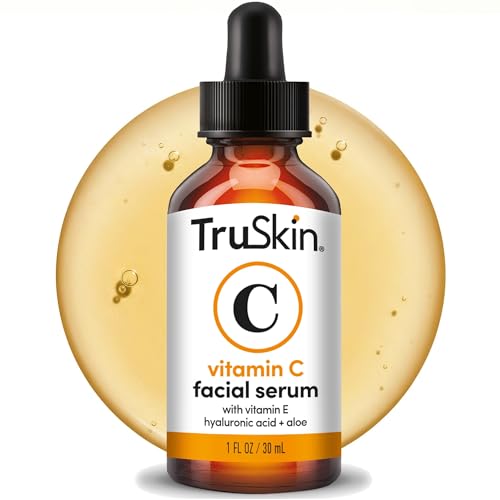
TruSkin Vitamin C Serum for Face – Anti Aging Face Serum with Hyaluronic Acid & Vitamin E – Brightening Formula for Improving Appearance of Dark Spots, Fine Lines & Wrinkles – All Skin Types, 1 fl oz
ADVANCED BRIGHTENING FORMULA: Vitamin C helps fight free radical damage and support natural collagen while improving the look…
As an affiliate, we earn on qualifying purchases.
As an affiliate, we earn on qualifying purchases.
Conclusion
Remember, exfoliating twice a week can markedly improve sun-damaged skin, making it look healthier and more refreshed. Did you know that men are 30% more likely to neglect skincare routines? Incorporating a simple exfoliation routine into your daily habits can protect your skin from further sun damage and boost your confidence. Start today, stay consistent, and watch your skin transform—because taking care of your skin isn’t just for women anymore.
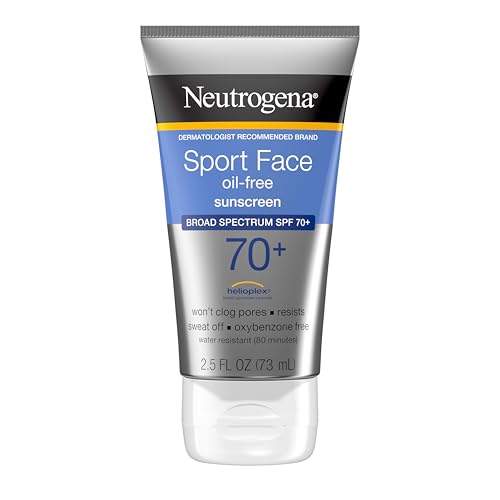
Neutrogena Sport Face Sunscreen SPF 70+, Oil-Free, 2.5 fl oz, Sweat & Water-Resistant, Broad-Spectrum UVA/UVB, Nourish & Restore Skin Balance, Oxybenzone Free Sunscreen For Face
One, 2.5 fl oz bottle, Neutrogena Sport Face Sunscreen SPF 70+, your new sun care essential for sunny…
As an affiliate, we earn on qualifying purchases.
As an affiliate, we earn on qualifying purchases.

EXUVIANCE Performance Peel AP25 Starter Set, At-Home Chemical Peel, Gently Exfoliates & Refines Pores, Anti-Aging Peel, Treats Fine Lines, Wrinkles & Uneven Texture with Glycolic Acid, 2-week supply
With regular use, up to twice a week, this peel has been shown to:
As an affiliate, we earn on qualifying purchases.
As an affiliate, we earn on qualifying purchases.